
Living with discomfort is something most people deal with at some point, whether it stems from overworked muscles after a long week, a nagging joint, or the kind of everyday tension that builds up and refuses to let go.
While modern medicine has its place, many people are turning to natural, time-tested approaches to find balance. The world of natural remedies for pain relief is vast, nuanced, and increasingly backed by a growing body of research.
In this blog, we explore 15 natural remedies that have earned their place in conversations about holistic wellness, from ancient herbal traditions to plant-based extracts gaining attention today. Whether you’re seeking over-the-counter natural pain relief products or simply curious about how to relieve pain through lifestyle changes, there’s something here for everyone.
Understanding Natural Approaches to Discomfort
Before diving into specific remedies, it helps to understand why so many people seek out natural alternatives in the first place. Conventional options can come with side effects, long-term dependency concerns, or simply may not address the root cause. Natural approaches, on the other hand, often work in harmony with the body’s own systems, supporting balance rather than overriding it.
That said, ‘natural’ does not automatically mean risk-free or universally effective. Always consult a qualified healthcare provider before beginning any new wellness regimen, particularly if you are managing a chronic condition or taking medication.
The 15 Natural Remedies
1. Turmeric
Turmeric has been a cornerstone of Ayurvedic medicine for thousands of years. The active compound, curcumin, has been widely studied for its interaction with inflammatory pathways in the body. Many people incorporate turmeric into their daily diet through golden milk, supplements, or cooking. While it’s generally well-tolerated, bioavailability can be low; pairing it with black pepper (piperine) is commonly recommended to enhance absorption.
2. Ginger
Fresh ginger root and ginger extract are beloved staples in both traditional and modern wellness circles. Ginger contains compounds called gingerols and shogaols, which have attracted significant scientific attention. It’s frequently consumed as tea, added to smoothies, or taken as a capsule. Its versatility and accessibility make it one of the most practical natural options available.
3. White Willow Bark
Often called ‘nature’s aspirin, white willow bark contains salicin, a compound chemically similar to salicylate. Historically used in Europe and Asia, it has a long track record of use for physical discomfort. It’s typically found in capsule or tea form at health food stores. Those with aspirin sensitivity should exercise caution and consult a physician before use.
4. Kratom
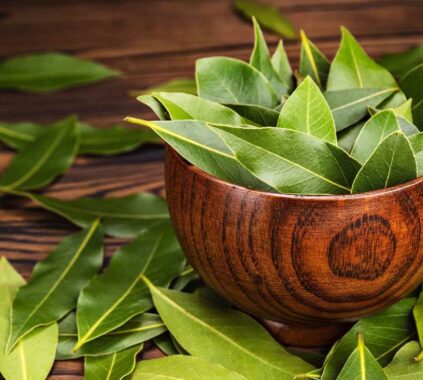
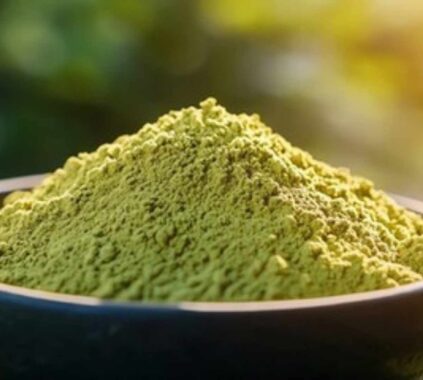
Kratom is a tropical plant native to Southeast Asia, particularly Thailand, Indonesia, and Malaysia, where it has been used in traditional practices for generations. In recent years, it has gained increasing attention in Western wellness communities, and today you’ll find an expanding range of kratom products, from classic powders and capsules to kratom syrup, kratom seltzers, and even 7OH kratom extracts.
Kratom contains naturally occurring alkaloids, with mitragynine being the most abundant. These compounds interact with the body in ways that have generated considerable research interest. Users often report a range of subjective experiences depending on the variety and quantity consumed, which has contributed to its growing fanbase in natural wellness circles.
5. Capsaicin
Derived from chili peppers, capsaicin is the active ingredient in many over-the-counter natural pain relief products, particularly topical creams and patches. When applied to the skin, it initially activates and then desensitizes certain nerve receptors. It’s widely available and has a reasonable evidence base for topical use. Users typically experience an initial warming or burning sensation that subsides with regular application.
6. Lavender Essential Oil
Aromatherapy using lavender essential oil is one of the most popular complementary wellness practices in the world. Beyond its well-documented calming effects, lavender is often used in topical blends and massage oils by those looking for gentle, natural comfort. Some studies suggest lavender may support relaxation and ease tension when used aromatically or in diluted topical applications.
7. Magnesium
Magnesium is an essential mineral involved in hundreds of biochemical reactions in the body. Deficiency is surprisingly common, and many people find that correcting it through dietary changes or supplementation improves muscle function and overall physical comfort. Magnesium can be taken orally as the glycinate or malate forms or applied transdermally via Epsom salt baths.
8. Boswellia
Boswellia serrata is a tree resin that has been used in Ayurvedic and African traditional medicine for centuries. Modern research has explored its boswellic acids and their role in modulating certain inflammatory enzymes. It’s now commonly found in supplement form and is frequently combined with turmeric in joint health formulas. Boswellia is generally considered well-tolerated with a favorable safety profile.
9. Cold and Heat Therapy
Sometimes the most effective approaches are the simplest. Alternating between cold and heat application is a classic, evidence-supported method that many physiotherapists and sports medicine practitioners recommend. Cold application, ice packs, cold compresses. helps manage swelling and acute discomfort, while heat promotes circulation and muscle relaxation. The right choice often depends on the nature and timing of the discomfort.
10. Acupuncture
Rooted in Traditional Chinese Medicine, acupuncture involves the insertion of thin needles at specific points on the body. It has one of the longest evidence trails of any complementary practice, with multiple systematic reviews supporting its use for certain types of musculoskeletal discomfort. Many insurance plans now cover acupuncture sessions, and licensed practitioners are widely available throughout the U.S. and internationally.
11. Omega-3 Fatty Acids
Found in fatty fish such as salmon and mackerel, as well as in flaxseeds and walnuts, omega-3 fatty acids are renowned for their role in supporting cardiovascular health, but their potential to modulate inflammatory responses has also attracted considerable research interest. Fish oil supplements are among the most widely consumed dietary supplements globally, and many people report positive effects when incorporating them consistently into their routines.
12. Yoga and Stretching
Physical movement, particularly mindful, structured movement like yoga or targeted stretching, plays a meaningful role in how the body manages tension and physical discomfort over time. Yoga combines breathwork, flexibility training, and mindfulness in a way that has proven beneficial for a wide range of people, from athletes to those managing chronic conditions. Even 15–20 minutes of gentle stretching per day can yield noticeable results.
13. CBD (Cannabidiol)
Derived from the hemp plant, CBD has become one of the most talked-about natural wellness ingredients of the past decade. It is non-intoxicating and interacts with the body’s endocannabinoid system, which helps regulate a range of physiological processes. CBD is available in many forms, oils, capsules, topical creams, and gummies, and is widely sold as an over-the-counter natural pain relief product. Research is ongoing, and while results are promising in several areas, CBD is not FDA-approved as a treatment for any condition other than a specific form of epilepsy.
14. Clove Oil
Clove oil contains eugenol, a naturally occurring compound with a long history of use in traditional dentistry and folk medicine. It’s frequently applied topically in diluted form (mixed with a carrier oil) to areas of localized discomfort, particularly in oral contexts. Clove oil is potent and should never be applied undiluted to skin or mucous membranes. It’s available at most natural health stores and online retailers.
15. Mindfulness and Meditation
While it might seem surprising to include mental practice on a list of remedies for pain relief, the mind-body connection is well-documented and increasingly recognized in mainstream medicine.
Mindfulness-based stress reduction (MBSR) programs have demonstrated positive outcomes in clinical settings for people managing chronic discomfort. The premise is straightforward: by changing the way we relate to physical sensations through non-judgmental awareness, many people find they experience discomfort differently, and often, less intensely.
How to Relieve Pain: Building a Natural Wellness Routine
Understanding how to relieve pain naturally isn’t about finding a single magic bullet; it’s about layering complementary approaches that address your specific situation. For many people, the most effective strategies combine several of the remedies above with positive lifestyle foundations:
- Prioritizing quality sleep, the body does much of its restorative work during rest
- Maintaining an anti-inflammatory diet rich in whole foods, fruits, and vegetables
- Staying hydrated, dehydration is a surprisingly common contributor to muscle tension
- Managing stress through mindfulness, breathwork, or creative outlets
- Moving your body consistently, even gentle daily walks, can make a meaningful difference
Natural Pain Relief Products: What to Look For
The market for natural pain relief products has expanded dramatically over the past decade. Walk into any pharmacy, health food store, or browse online, and you’ll find shelves stocked with topical creams, herbal capsules, essential oil blends, and botanical tinctures, all marketed as natural alternatives.
When evaluating these products, a few key considerations stand out:
- Third-party testing: Look for products verified by independent labs, not just the manufacturer’s claims. This is especially important for botanical products like kratom, CBD, and herbal extracts.
- Ingredient transparency: Full ingredient lists with standardized extract concentrations where applicable give you a much clearer picture of what you’re actually consuming.
- Reputable sourcing: Whether it’s turmeric from organic farms or kratom from certified Southeast Asian growers, supply chain transparency matters.
- Realistic marketing: Be cautious of any product that makes sweeping, unqualified health claims. The best brands are honest about what their products are and what the research currently shows.
A Closer Look: Kratom in the Natural Wellness Space
Of all the natural remedies on this list, kratom may be the one generating the most conversation right now. It sits at an interesting intersection, deeply rooted in Southeast Asian tradition, increasingly popular in Western markets, and still the subject of evolving regulatory and scientific discussion.
Kratom comes in multiple varieties, often referred to by the color of the leaf vein at harvest: red vein, green vein, and white vein. Each is associated with somewhat different subjective profiles. More recently, refined products have emerged:
- 7OH kratom (7-hydroxymitragynine): A concentrated alkaloid extract that is significantly more potent than standard kratom powder. It’s gaining popularity but warrants careful, informed use due to its potency.
- Kratom syrup: A liquid form that allows for easier dosing and is increasingly available from specialized vendors.
- Kratom seltzers: A newer, more consumer-friendly format blending kratom extract with carbonated beverages, making it more accessible for those new to botanical wellness products.
Final Thoughts
The landscape of natural remedies for pain relief is richer and more researched than ever before. From household staples like ginger and turmeric to emerging botanicals like kratom, the options available to curious, health-conscious individuals have never been broader.
The key is approaching this space with both enthusiasm and discernment. Not every remedy will work for everyone, and the interplay among different approaches, lifestyle factors, and individual biology means that personal experimentation, guided by a healthcare professional, is often the most valuable path forward.
Whether you’re drawn to the simplicity of cold therapy, the ritual of herbal tea, the science-backed appeal of omega-3s, or the traditional roots of kratom, the goal is the same: supporting your body’s natural capacity for balance and resilience. Start with what resonates, build your knowledge base, and always prioritize safety and quality when selecting products.
More Resources:
- How Long Does Magic Mushrooms Stay In Your System?
- Smokable Kratom Explained: Effects, Risks & Alternatives
- Can Shilajit and Ashwagandha Be Taken Together?