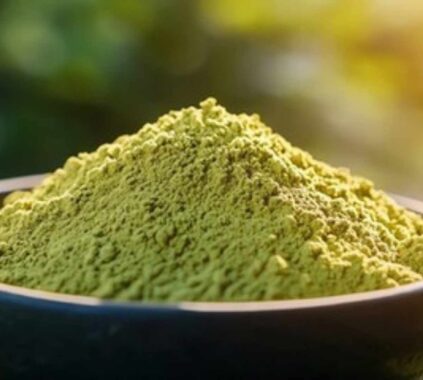
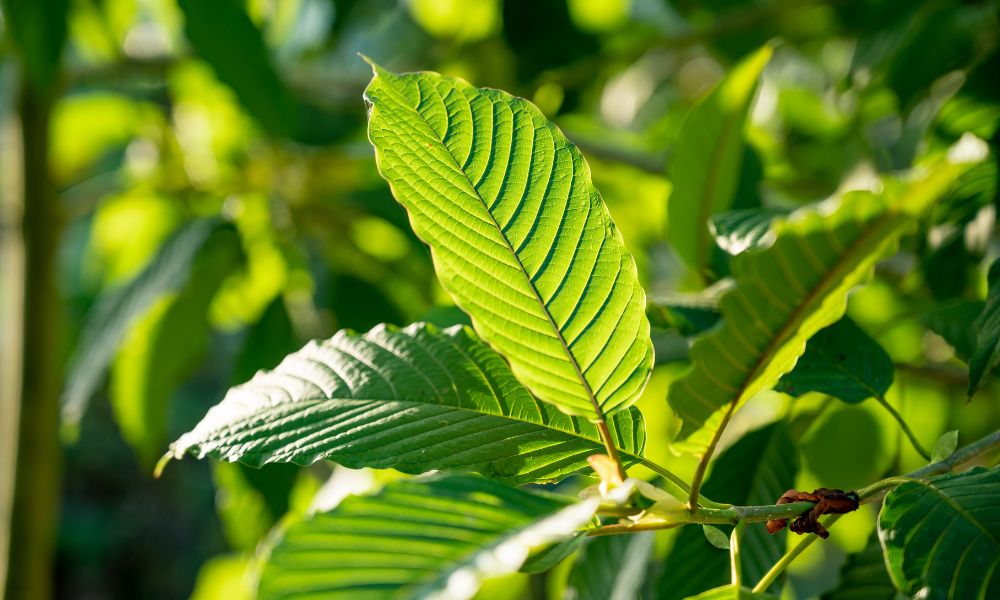
Kratom is derived from the Mitragyna Speciosa tree, which is known for various potential benefits; however, long-term use can develop a dependence leading to a different set of symptoms known as withdrawal. Kratom withdrawal effects are a critical part of making an informed decision about its use.
Daily high-dose consumption of kratom might be dangerous in several ways. With continued use, you can become addicted to alkaloids, and your body will achieve a high tolerance stage where it craves more frequent intake. Dependence on kratom will also cause mental and physical health problems.
In this article, we will guide you about the withdrawal effect, its connection to dependence, and how responsible practices like safe dosage can help mitigate risks.
What Causes Kratom Withdrawal? The Link to Dependence
Withdrawal happens when a person who has developed a physical dependence on any substance suddenly reduces the amount or stops taking it. Kratom has two main alkaloids, mitragynine and 7-hydroxymitragynine, which interact with opioid receptors in the brain, and after frequent use, the brain adjusts its natural chemistry to compensate for the constant pressure of these external compounds. When you stop consuming kratom, the brain is left temporarily unbalanced, causing withdrawal symptoms.
It is necessary to understand the difference between dependence and addiction. Dependence is a physical state where your body has adapted to a certain substance. Withdrawal is a hallmark of dependence, while addiction is a complex problem or disease caused by consuming drugs and harmful substances. Addiction involves serious psychological, genetic, and behavioural consequences.
Not everyone who uses kratom daily gets addicted; however, high doses regularly can cause dependence, making awareness of withdrawal essential.
Common Kratom Withdrawal Effects
Withdrawal symptoms can vary widely in intensity based on factors like the individual’s body response, frequency, dosage, and duration of use. Withdrawal symptoms are similar to a severe case of the flu.
Physical Symptoms:
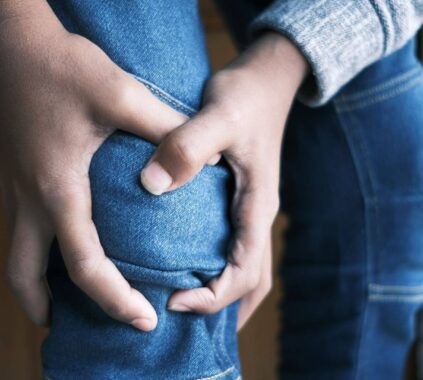
Physical withdrawal symptoms include muscle aches and pain, characterized by body soreness and restlessness, a condition known as RLS (restless leg syndrome).
You might also feel gastrointestinal issues such as nausea, vomiting, diarrhoea, and abdominal cramps. Sleep disturbance is also common in withdrawal, including vivid dreams, night sweats, and insomnia. Some individuals may also feel cold-like symptoms, including a runny nose, watery eyes, and sneezing. Lethargy and fatigue are other physical symptoms that can leave you feeling a lack of energy and motivation.
Psychological Symptoms:
Psychological symptoms include anxiety and irritability, in which you will feel unease, tension, and a short temper. You might also feel sadness, apathy, and anhedonia due to a depressed mood. A strong psychological desire to use kratom might happen, which is a part of intense craving during withdrawal.
How to Mitigate Risk: Kratom Safe Dosage and Practices
The best strategy for avoiding withdrawal is to prevent dependence from developing in the first place. To avoid dependence, responsible use is a must.
- Stick to the lowest dose and follow the rule “less is more”. Adequate lowest dose is between 1-3 grams.
- Avoid high doses (5 grams and above), which can cause dependence and a risk of developing tolerance.
- Understand that both desired and adverse effects are dose dependent; high doses can cause negative side effects and subsequent dependence.
- The most significant risk factor for dependence is daily use. To avoid consuming kratom every day, implement a cycling routine, which means 2 days on and 3 days off. This will prevent your body from fully adapting to its presence. You can also consume when needed, especially for energy and pain relief.
- Be aware of common side effects, which include constipation, nausea, dehydration, and dizziness.
What to Do If You Experience Withdrawal
If you are experiencing withdrawal symptoms, several strategies can help:
- Tapering is the most effective way to allow your brain to adjust slowly while reducing your dose over a period of weeks to minimise withdrawal symptoms.
- Drinking plenty of water and electrolyte-rich fluids and eating small, nutritious meals also help during withdrawal.
- Over-the-counter medications like loperamide (Imodium) help with diarrhoea, and ibuprofen can alleviate muscle aches.
- If your symptoms become unbearable, you must consult a doctor to monitor your health and get prescribed medicines for specific symptoms.
You May Also Like:
- Can Shilajit and Ashwagandha Be Taken Together?
- How Kratom Can Maximize Your Athletic Performance? 7 Ways
- Gold Bali Kratom Explained: A Balanced Blend of Relaxation And Relief
- Top 10 Shilajit Benefits For Men’s Health, Energy, and Vitality