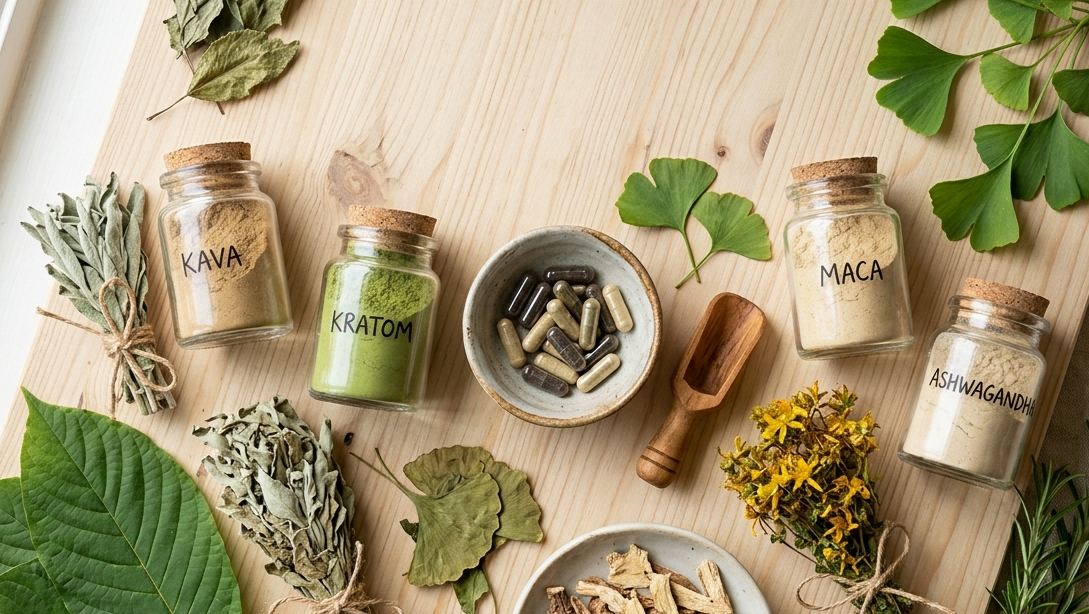
With the rise of the natural wellness trend, more and more people are now considering ethnobotanical supplements to help them maintain their general wellness and vitality.
Ethnobotanical supplements are plant-based supplements commonly used by ancient cultures of the world since time immemorial, combining age-old wisdom with modern convenience. These supplements continue to attract considerable attention in 2026 due to the variability of their application and long history.
In this blog, we’ll explain what ethnobotanical supplements entail, their significant uses during the COVID-19 crisis, among other purposes, and some of the best botanical supplements to add to your daily regimen.
What Are Ethnobotanical Supplements?
Ethnobotanical supplements are plant-related products that were employed, as traditional medicine, by some ethnic or indigenous people. Ethnobotany is the study of plant-human interaction with special emphasis on how various cultures use indigenous plants as a source of food, medicine, rituals, and textiles.
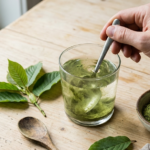
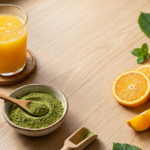
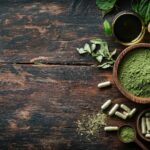
In contrast with common herbal supplements, ethnobotanical supplements target plants that have important cultural, historical, or ritual importance, and are usually supported by a long and well-established traditional knowledge, and by continued scientific consideration. These supplements may include such things as a powder, extract, capsules, tea, and salves, among others.
Numerous commonly used drugs today were originally discovered by people doing ethnobotanical research-e.g., aspirin is derived from willow bark and morphine from poppy extract.
Ethnobotanical supplements glorify the immense richness of botanicals that man has explored over the millennia and promote the sustainable and respectful utilisation of these natural products.
Ethnobotanical Supplements and COVID-19
The COVID-19 pandemic increased the need to research natural methods of immune support and respiratory system strengthening. Natural supplements had a significant role to play as most societies resorted to nature and their remedies in response to this worldwide pandemic.
Scientific studies pointed out a number of botanicals with immunomodulating activity that can be used to supplement prophylactic health management strategies. Medicinal plants such as Tinospora cordifolia (Guduchi), Withania somnifera (Ashwagandha), Curcuma longa (Turmeric), and Scutellaria baicalensis (Chinese skullcap) have long been used in traditional medicine, with some preliminary studies showing their symptomatic effects.
Although not being a replacement for vaccines or treatment, these ethnobotanical supplements showed that the traditional knowledge still plays a significant role in the context of the current health challenges. Further studies and confirmation of the effectiveness of the plants will allow them to be used more in comprehensive health care practices.
Uses of Ethnobotanical Supplements
Ethnobotanical supplements are applied in various contexts worldwide. Their usages range from supporting overall vitality to complementing diet, lifestyle, and cultural practices.
Some common uses include:
- Supporting Vitality and Energy: Many ethnobotanical supplements are adaptogens, which means they help the body adapt to stress and maintain balance, thus supporting sustained energy and vigor.
- Enhancing Immune Support: Traditional remedies often aim to bolster natural defenses through botanicals rich in antioxidants and immune-supporting compounds.
- Digestive Health: Certain plants used ethnobotanically are known to help regulate digestion and gastrointestinal function.
- Respiratory Health Support: Ethnobotanicals with soothing properties can assist respiratory comfort in traditional applications.
- Mood and Cognitive Support: Some plant supplements offer calming or cognitive-enhancing benefits, derived from centuries of use in cultural rituals and healing practices.
- Skin and Beauty Applications: Many ethnobotanical extracts find their way into topical formulations celebrated for their nourishing and protective properties.
The power of these supplements lies in their complex, multi-compound makeup, offering a broad spectrum of plant-based compounds that work synergistically.
Top Ethnobotanical Supplements to Try in 2026
Several ethnobotanical supplements stand out due to their growing popularity, scientific interest, and availability:
1. Ashwagandha (Withania somnifera)
- A revered adaptogenic herb from Ayurvedic medicine.
- Supports the body’s stress response and vitality.
- Widely available in capsules, powders, and extracts.
- Studies continue on its broad effects, including energy and mood.
2. Turmeric (Curcuma longa)
- Known primarily for its vibrant yellow color and anti-inflammatory properties.
- Versatile in powder or extract forms for culinary and supplement use.
- Source of curcumin, a compound drawing extensive research attention.
3. Elderberry (Sambucus nigra)
- Traditionally used for seasonal immune support.
- Comes as syrups, capsules, gummies, or teas.
- Contains antioxidants largely credited to its berry content.
4. Ginseng (Panax ginseng)
- Celebrated in Traditional Chinese Medicine.
- Used to enhance physical performance and focus.
- Available as teas, tinctures, or capsules.
5. Black Seed (Nigella sativa)
- Ancient seed with diverse traditional uses.
- Known for its nutrient profile and antioxidant properties.
6. Blue Lotus (Nymphaea caerulea)
- Sacred plant historically used in Egypt for ceremonial purposes.
- Available as dried flowers, extracts, or teas.
7. Kratom (Mitragyna speciosa)
- Southeast Asian botanical with diverse alkaloids.
- Expanding in popularity as an ethnobotanical supplement.
Important Considerations When Using Ethnobotanical Supplements
- Source Quality: Always purchase from reputable vendors with transparent sourcing and testing.
- Legal and Regulatory Status: Some ethnobotanicals face geographic legal restrictions or require age verification.
- Consult Health Professionals: Especially if combining supplements with medications or managing health conditions.
- Sustainability: Support ethical practices that protect indigenous knowledge and biodiversity.
Final Thoughts
Ethnobotanical supplements have an incredible status as a junction of convention and science. Their relevance in the COVID-19 period confirmed their presence in the natural healthscapes.
As the industry expands in 2026, decisions informed by quality, use, and cultural sensitivity will be more necessary than ever to enjoy the distinctiveness that these supplements will offer. All the way from ashwagandha to elderberry and blue lotus, a rich universe of botanicals is awaiting people with holistic and time-tested support in mind.
More Resources
Kratom and ADHD: Can It Be Cured?
Guide To Kratom Consumer Protection Act?