
Searching for the best kratom strain for joint health is increasingly common among adults exploring plant-based products as part of their daily routines. Kratom has gained attention for its wide range of strains, each known for distinct characteristics related to aroma, color, origin, and traditional use.
At the same time, conversations around kratom and muscle pain or questions like does kratom help relieve joint pain often circulate online, creating confusion about what can realistically be discussed and what should be approached carefully.
In this blog, we’ll focus on how kratom strains are commonly categorized, how people choose strains based on personal preferences and use cases, and what to consider when evaluating kratom products that are often associated with joint-focused routines.
The goal is to help you understand strain differences, quality factors, and responsible selection, so you can make informed decisions without relying on exaggerated claims.
Understanding Kratom and Strain Differences
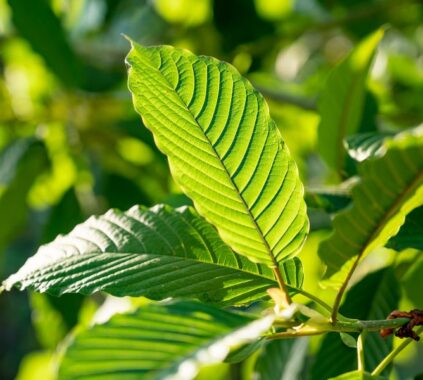
Kratom is a tropical tree native to Southeast Asia. Its leaves are harvested, dried, and processed into powders, capsules, extracts, and other formats. Over time, kratom has been grouped into different “strains,” primarily based on leaf vein color and regional origin.
While strains are often discussed in terms of effects, it’s important to approach this topic with balance. Strain names typically reflect traditional categorization, growing conditions, and alkaloid profiles rather than guaranteed outcomes.
Common Kratom Vein Categories
- Red vein kratom: Often described as more grounding or body-focused in traditional discussions
- Green vein kratom: Frequently associated with balance and versatility
- White vein kratom: Commonly characterized as more stimulating or uplifting
These categories are widely used in the kratom industry, but experiences can vary significantly from person to person depending on sourcing, preparation, and individual response.
What People Mean by “Joint Health” in Kratom Conversations
When people search for a kratom strain for joint health, they are often referring to everyday discomfort, stiffness, or physical strain that can occur from activity, work routines, or aging, not a medical condition. These conversations tend to overlap with topics like kratom and muscle pain or general physical wear and tear.
It’s important to clarify that discussing joint health in this context does not mean making claims about treatment, prevention, or relief of medical issues. Instead, users often talk about:
- How certain strains fit into evening or recovery routines
- Preferences for strains described as more body-focused
- How kratom fits into lifestyle habits involving movement or physical activity
This distinction matters, especially when evaluating product descriptions or online advice.
Popular Kratom Strains Often Mentioned in Joint-Focused Discussions
While no kratom strain can be positioned as a solution for joint conditions, some strains are more frequently mentioned in community discussions related to physical comfort and routine support. Below is an overview of commonly referenced strains, presented for informational purposes only.
Red Maeng Da
Red Maeng Da is one of the most widely recognized kratom strains. It’s often chosen by experienced users who prefer deeper, more robust profiles. In joint-focused conversations, Red Maeng Da is usually discussed in the context of evening routines or post-activity use.
What stands out about Red Maeng Da:
- Strong reputation for consistency
- Often sourced from mature leaves
- Commonly selected by users seeking a heavier profile
Again, these are usage patterns, not claims of outcomes.
Red Bali
Red Bali is another strain frequently mentioned when people talk about kratom and muscle pain or physical recovery routines. It’s known for its smooth profile and is often favored by those new to kratom.
Why people choose Red Bali:
- Widely available and easy to source
- Often described as steady and approachable
- Popular for slower-paced routines
Red Bali’s popularity makes it one of the most discussed options when people explore kratom strain selection for physical comfort contexts.
Green Malay
Green Malay is often associated with balance. Users who don’t want something too heavy or too stimulating frequently gravitate toward this strain.
In joint-related conversations, Green Malay is often chosen because:
- It’s considered versatile
- It fits daytime or active schedules
- Users report consistent experiences across batches
Its adaptability is why Green Malay is commonly included in discussions around kratom strain choice.
Red Borneo
Red Borneo is another strain often mentioned in joint-focused forums and blogs. It’s typically discussed alongside Red Bali and Red Maeng Da.
Common reasons people select Red Borneo:
- Smooth, mild character
- Often used later in the day
- Considered approachable for routine use
As with all strains, sourcing and quality play a major role in consistency.
Kratom and Muscle Pain: How the Topic Is Commonly Framed
Searches related to kratom and muscle pain often stem from people dealing with physical strain from workouts, long workdays, or repetitive movement. In these conversations, kratom is usually discussed as part of a broader lifestyle routine rather than as a standalone solution.
Responsible discussions tend to focus on:
- How kratom fits into rest or recovery time
- Differences between strain types and timing
- Personal preference rather than universal outcomes
It’s also common for experienced users to emphasize moderation, consistency, and awareness of tolerance when incorporating kratom into physically active lifestyles.
Does Kratom Help Relieve Joint Pain? A Balanced Perspective
The question does kratom helps relieve joint pain is frequently asked, but it’s also where caution is essential. Kratom is not approved to treat, diagnose, or prevent joint conditions, and it should not be positioned as a medical solution.
A more responsible way to approach this question is to understand:
- Why do people explore kratom in joint-related contexts
- How strain selection is often based on anecdotal experience
- Why do individual responses vary widely
Rather than seeking definitive answers, many users approach kratom experimentally, paying attention to how different strains fit into their routines without expecting guaranteed results.
How Alkaloid Profiles Influence Strain Preference
Kratom leaves contain naturally occurring alkaloids that vary depending on region, maturity, and processing. These differences influence how strains are perceived and why some are preferred in certain contexts.
Key factors affecting alkaloid composition include:
- Leaf age at harvest
- Drying and fermentation methods
- Regional soil and climate conditions
This variability is one reason why two batches of the same strain name can feel different. When searching for the best kratom strain for joint health, consistency and supplier transparency matter just as much as the strain name.
Choosing the Right Kratom Strain for Your Routine
Rather than focusing solely on strain names, a better approach is to think about how kratom fits into your daily schedule and preferences.
Consider the following:
- Timing: Morning, afternoon, or evening use
- Intensity: Lighter vs more robust strain profiles
- Experience level: Beginner vs experienced user
For joint-focused routines, many users prefer strains they describe as smoother and more grounding, but again, this is subjective and varies by individual.
Kratom Dosage and Responsible Use
Dosage plays a major role in how kratom fits into any routine. While strain selection matters, consistency and moderation are equally important.
General community-based ranges often discussed include:
- Low range: 1–2 grams
- Moderate range: 2–4 grams
- Higher range: 4–6 grams
Starting low and adjusting gradually is commonly recommended. Keeping notes on strain, amount, and timing can help users better understand what works for them over time.
Quality Matters More Than Strain Name
When looking for a kratom strain for joint health, quality should be a top priority. A well-sourced, lab-tested product often provides a more predictable experience than a poorly sourced version of a popular strain.
Look for vendors that offer:
- Transparent sourcing information
- Batch testing and labeling
- Clear strain descriptions without exaggerated claims
High-quality kratom tends to be fresher, better processed, and more consistent across uses.
Common Mistakes When Choosing Kratom for Joint-Focused Routines
Many users make avoidable mistakes when selecting kratom strains. These include:
- Chasing strain names instead of quality
- Increasing dosage too quickly
- Expecting guaranteed results
- Ignoring tolerance buildup
Avoiding these pitfalls helps create a more sustainable and informed approach.
Blending Strains: A Popular User Strategy
Some experienced users blend small amounts of different strains to create a balanced profile that suits their preferences. For example:
- Red + green blends for balance
- Lower doses of multiple strains instead of a high dose of one
Blending allows users to fine-tune their experience without relying on a single strain name.
Setting Realistic Expectations
The most important part of exploring the best kratom strain for joint health is setting realistic expectations. Kratom is a plant with varied effects depending on many factors, and it should never be treated as a guaranteed solution.
Responsible use focuses on:
- Awareness
- Moderation
- Personal observation
- Avoiding exaggerated claims
This mindset leads to better long-term experiences and informed decisions.
Final Thoughts
Finding the best kratom strain for joint health is less about discovering a single “perfect” strain and more about understanding how different kratom varieties fit into individual routines. Strains like Red Maeng Da, Red Bali, Green Malay, and Red Borneo are frequently mentioned in joint-focused discussions, but quality, sourcing, dosage, and personal preference play a far greater role than strain name alone.
Conversations around kratom and muscle pain or questions like does kratom help relieve joint pain should always be approached carefully, without expectations of medical outcomes. By prioritizing transparency, moderation, and realistic expectations, users can explore kratom responsibly as part of a broader lifestyle routine, focused on awareness rather than promises.
More Resources:
- 10 Natural Ways To Cure Skin Irritation
- Controversies Around 7-OH Mitragynine Extract
- White Sumatra vs White Elephant Kratom: Comparison guide