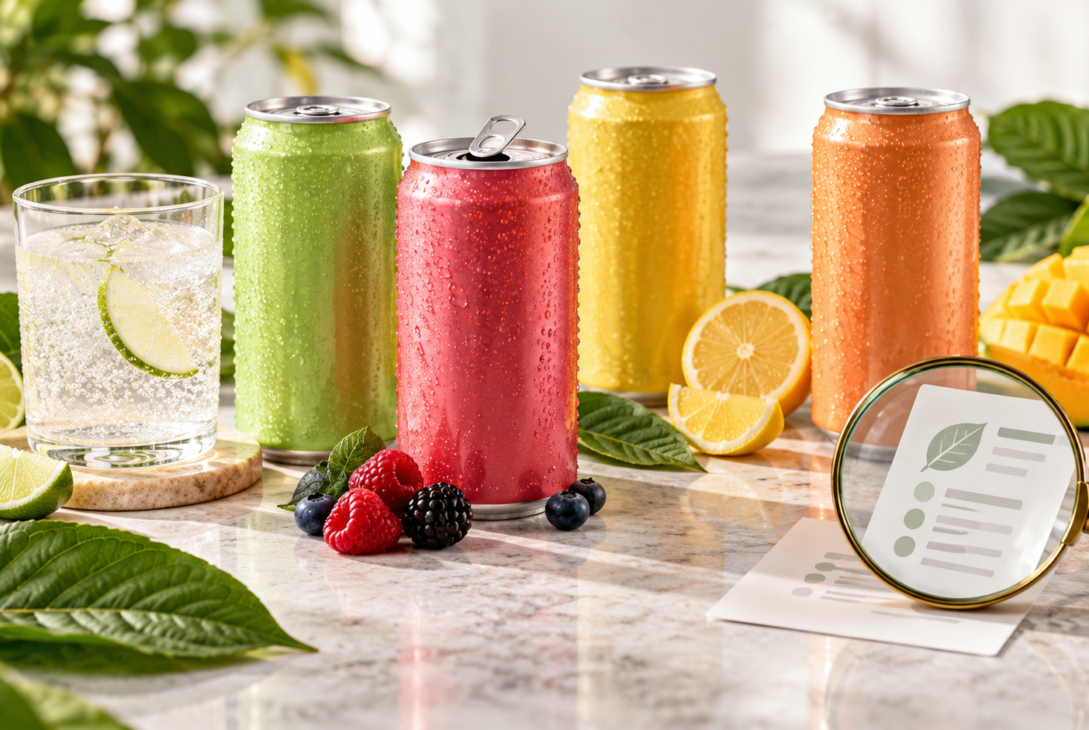
Walk into a smoke shop, a kava bar, or even some convenience stores today and you’ll likely spot a new kind of can sitting next to the energy drinks: the kratom seltzer. Light, fizzy, and usually fruit-flavored, these drinks package a traditional Southeast Asian botanical into a format that looks a lot like your favorite hard seltzer, minus the alcohol.
The category has grown fast, and that growth has created a problem for shoppers. Two cans can look nearly identical on the shelf while containing very different amounts of active alkaloids, very different levels of quality control, and very different price tags. Some brands publish detailed lab reports for every batch. Others print a vague proprietary blend and hope you don’t ask questions.
This guide to the best kratom seltzers cuts through the noise. Instead of ranking cans on hype or packaging, we compare them on the four things that actually matter to an informed buyer: alkaloid disclosure, third-party lab testing, sugar content, and price per can.
Along the way, we’ll answer common questions like what drinks have kratom in them, how kratom drinks differ from shots and powders, and why you sometimes see the misspelling Kratom drinks in search results.
What Is a Kratom Seltzer?
A kratom seltzer is a carbonated, ready-to-drink beverage made with an extract of Mitragyna speciosa, a tree in the coffee family native to Thailand, Indonesia, Malaysia, and surrounding regions. Traditionally, people in those areas chewed the fresh leaves or brewed them into tea. Modern kratom drinks replace the bitter, earthy powder with a concentrated extract that blends into sparkling water, flavorings, and sweeteners.
The main compounds in kratom are alkaloids, chiefly mitragynine and, in much smaller amounts, 7-hydroxymitragynine (7-OH). The quantity of these alkaloids in each can is what separates a mild, sessionable seltzer from a much stronger product, which is why alkaloid disclosure sits at the center of this comparison.
What drinks have kratom?
If you’re wondering what drinks have kratom, the market now spans several formats:
- Kratom seltzers: Sparkling, canned, usually 12 oz, often low or zero sugar. The focus of this guide.
- Kratom shots: Small, concentrated liquids (typically 1–2 oz) with higher alkaloid content and a stronger taste.
- Kratom tonics and botanical blends: Bottled drinks that pair kratom with other botanicals such as kava, often sold as alcohol alternatives.
- Kratom teas and kratom powders: The traditional route, where you brew or mix the leaf yourself and control the strength.
- Kava-bar “kratom drinks”: Freshly mixed drinks served at bars, with strength that varies by the server’s recipe.
Seltzers sit at the approachable end of that spectrum. They’re designed to be sipped rather than slammed, they taste closer to a sparkling soft drink, and they usually carry less extract per serving than a shot.
Kratom drinks vs. “Kratom drinks”
You’ll occasionally see shoppers search for “Kratom drinks.” It’s simply a common misspelling of kratom. Any can labeled “Kratom” should be treated with extra suspicion, though, because a reputable brand will spell its key ingredient correctly and list it precisely.
How We Compared the Best Kratom Seltzers
Flavor matters, but it’s subjective. Label transparency isn’t. We judged each brand on four measurable criteria.
1. Alkaloid disclosure
The gold standard is a label that states the milligrams of mitragynine per can, not just “kratom extract” or a total blend weight. Better still, top brands list 7-OH content separately, so you know the product isn’t spiked with concentrated or semi-synthetic 7-OH. A can that only says “proprietary botanical blend” earns the lowest score here.
2. Third-party lab testing
We looked for a Certificate of Analysis (COA) from an independent, ISO-accredited lab. A strong COA confirms alkaloid potency and screens for heavy metals (lead, arsenic, cadmium, mercury), microbes such as salmonella and E. coli, and residual solvents from the extraction process. The best brands make COAs easy to find through a QR code on the can or a batch lookup on their website.
3. Sugar content
Many buyers choose seltzers precisely because they want a lighter drink. We favored cans with zero or low added sugar, usually sweetened with stevia, monk fruit, or allulose. We also noted when brands rely on cane sugar or juice concentrate, which can push a can into soda territory.
4. Price per can
Prices vary widely by pack size and retailer. We calculated cost per can based on the brand’s standard multipack, because that’s how most regular drinkers buy. As a rough market benchmark, single cans often retail for around $5–$8, with multipacks bringing the per-can cost down. A higher price is fine if it buys more transparency and better testing; it’s not fine if it only buys nicer packaging.
The Best Kratom Seltzers: Brand Roundup
Formulas, prices, and flavor lineups change often in this category, so treat the details below as a starting point and confirm current numbers on each brand’s product page and latest COA before you buy.
Mitra-9 Seltzer Drinks
Mitra-9 is one of the better-known names in packaged kratom, and its seltzer collection is aimed squarely at drinkers who want a light, fruit-forward can rather than a bitter shot. The lineup leans on bright, approachable flavors that mask kratom’s natural earthiness, which makes it a common entry point for first-time buyers.
- Alkaloid disclosure: Check that the label lists mitragynine in milligrams per can, and look for a separate 7-OH figure. If the can lists only total extract, ask the brand for the alkaloid breakdown.
- Lab testing: Look for a batch-specific COA covering potency, heavy metals, and microbials. A QR code that leads to the exact batch is ideal.
- Sugar: Mitra-9 positions its seltzers as a lighter option, so compare the nutrition panel for added sugar and the sweetener used.
- Price per can: Multipacks typically lower the per-can cost. Divide the pack price by the number of cans and compare it with single-can shelf prices.
- Best for: Newcomers who want a familiar seltzer experience and a recognizable brand.
Kats Botanicals Kratom Beverages
Kats Botanicals has built its reputation on educational content, including a detailed guide to kratom seltzers and kratom beverages in general. That emphasis on explaining the product is a good sign for transparency-minded buyers, because brands that teach customers how to read labels tend to publish the data needed to do it.
- Alkaloid disclosure: Look for mitragynine content per serving and clear serving-size information.
- Lab testing: Kats Botanicals publicly emphasizes testing. Confirm that the beverage you’re buying has its own COA, not just the brand’s powders.
- Sugar: Check the panel. Botanical beverages vary widely here.
- Price per can: Compare against the multipack price on the brand’s site and authorized retailers.
- Best for: Buyers who value education and want to understand exactly what they’re drinking.
Botanical Tonics with Kratom (Not Seltzers, but Often Compared)
Products like Feel Free, which combine kava and kratom in a small bottled tonic, often come up when people ask what drinks have kratom. They’re not seltzers. They’re smaller, more concentrated, and blend multiple botanicals, which makes direct comparison tricky. Shoppers should note that blends make it harder to know which ingredient is responsible for what you feel, and some have faced public scrutiny over how their kratom content was labeled. If you prefer a single-ingredient, clearly labeled can, a dedicated kratom seltzer is the more transparent choice.
Unbranded and White-Label Seltzers
The weakest players in the category are anonymous cans with minimal labeling, sold at gas stations and online marketplaces. Red flags include no alkaloid figures, no COA, no manufacturer address, and vague claims like “euphoric” or “extra strength.” These cans are most likely to contain concentrated or synthetic 7-OH, which regulators have specifically targeted. They may be cheapest per can, but they score lowest on every other measure.
Kratom Seltzer Comparison at a Glance
Use this table as a scorecard. Fill in the current figures from each brand’s label and COA before publishing or purchasing, since formulas and prices change frequently.
| Brand / Type | Format | Alkaloid disclosure | Lab testing | Sugar content | Price per can (USD) |
|---|---|---|---|---|---|
| Mitra-9 Seltzer | 12 oz sparkling can | Confirm mg mitragynine + 7-OH on label | Check batch COA via site or QR | Positioned as light; confirm grams added sugar | Multipack price ÷ cans |
| Kats Botanicals beverages | Ready-to-drink can | Confirm mg mitragynine per serving | Brand emphasizes testing; confirm beverage COA | Check panel | Multipack price ÷ cans |
| Kava + kratom tonics | Small bottled shot | Often blended; harder to isolate kratom content | Varies by brand | Varies | Usually higher per ounce |
| Unbranded / white-label | Varies | Often missing | Often missing | Often unlisted | Lowest, with highest risk |
How to score: Give each brand 0–2 points per column. Two points means fully disclosed and verifiable, one point means partial, and zero means missing. A can that scores 7 or 8 out of 8 is a transparent product worth considering.
Popular Kratom Seltzer Flavors
Kratom on its own tastes bitter and grassy, so flavor is a big part of what makes seltzers so approachable. Here’s how the most common flavor families stack up.
- Citrus (lemon, lime, grapefruit, orange): The most effective at cutting kratom’s bitterness. The acidity brightens the drink and hides earthy notes, which is why citrus is a staple across nearly every brand’s lineup.
- Tropical (mango, pineapple, passion fruit, guava): Sweet, full-bodied fruit flavors that pair well with lightly sweetened bases. Great for people who find citrus too sharp.
- Berry (raspberry, blackberry, mixed berry): Slightly tart with a deeper fruit profile. Berry flavors often work well in zero-sugar formulas because they taste naturally sweet.
- Botanical and herbal (ginger, hibiscus, mint): Less common but increasingly popular. These lean into kratom’s plant character rather than hiding it, and they appeal to drinkers who prefer a more grown-up, less candy-like taste.
- Cola and “soda-style” flavors: These mimic familiar soft drinks. They’re tasty, but check the label carefully, because soda-style seltzers are the most likely to contain significant added sugar.
A quick tip: if a seltzer tastes overwhelmingly bitter, the flavor system may not be balanced for the amount of extract used. If it tastes like nothing but candy, look closely at both the sugar content and the alkaloid figures, since heavy flavoring can hide an under-dosed or poorly disclosed product.
How to Read a Kratom Seltzer Label
Label transparency is the single best predictor of a trustworthy product. Here’s a 60-second checklist you can run in the store aisle.
- Find the alkaloid numbers. Look for mitragynine listed in milligrams per can. If 7-OH is listed, it should be a small fraction of the mitragynine figure, consistent with what naturally occurs in the leaf.
- Scan for a QR code or batch number. This should lead to a COA that matches the batch printed on the can.
- Check the COA’s lab. It should be an independent, accredited lab, not the brand’s own facility.
- Read the nutrition panel. Note grams of added sugar, total calories, and the sweetener.
- Look for the manufacturer’s name and address. Legitimate companies stand behind their products.
- Check for required warnings. In states with kratom consumer protection laws, labels often must include age restrictions and usage warnings.
Red flags to avoid
- “Proprietary blend” with no alkaloid figures
- 7-OH listed as a headline ingredient or marketed as “enhanced”
- Words like “extra strength,” “euphoric,” or claims that the drink treats pain, anxiety, or withdrawal
- No COA, or a COA that’s years old or for a different product
- The misspelling “Kratom” on the packaging
- No manufacturer contact information
Health claims are a particularly strong warning sign. The FDA has not approved kratom for any medical use, and reputable brands avoid making therapeutic promises.
Safety and Legal Considerations
Kratom seltzers look like casual soft drinks, but they contain active compounds and deserve the same respect as any other botanical with real effects.
- Dependence is possible: Regular, heavy kratom use has been associated with dependence and withdrawal symptoms. The convenience of a can makes it easy to drink more than you planned, so pay attention to how often you’re reaching for one.
- Don’t mix with other depressants: Combining kratom with alcohol, opioids, benzodiazepines, or other sedating medications raises the risk of serious side effects. Talk to a doctor or pharmacist if you take any prescription medication.
- Skip it in certain situations: Kratom isn’t recommended during pregnancy or breastfeeding, for anyone under 21, or before driving or operating machinery.
- 7-OH is under regulatory scrutiny: In 2025, the FDA recommended scheduling concentrated 7-OH products, citing their potency. That’s one more reason to favor seltzers whose labels show naturally occurring alkaloid levels rather than added or enhanced 7-OH.
- Legality varies by location: Kratom is legal at the federal level in the U.S. but banned in several states, including Alabama, Arkansas, Indiana, Rhode Island, Vermont, and Wisconsin, as well as some cities and counties.
If you ever feel that kratom use is becoming hard to control, the SAMHSA National Helpline (1-800-662-4357) offers free, confidential referrals.
Frequently Asked Questions
What are the best kratom seltzers?
The best kratom seltzers are the ones that list mitragynine and 7-OH content in milligrams, publish batch-specific third-party lab results, keep added sugar low, and offer fair price per can. Brand matters less than transparency, so use the scorecard above to compare any can you find.
What drinks have kratom in them?
Kratom appears in sparkling seltzers, concentrated shots, bottled botanical tonics (often blended with kava), traditional teas, and drinks mixed fresh at kava bars. Seltzers are generally the lightest and most approachable format.
Are kratom drinks the same as kava drinks?
No. Kava comes from the root of Piper methysticum and works very differently from kratom. Some products blend the two, which is why clear labeling of each ingredient matters.
Is Kratom a different ingredient?
No. Kratom drink is a common misspelling of kratom drinks. A legitimate brand will spell its ingredients correctly.
Do kratom seltzers contain alcohol?
Most do not. They’re typically marketed as alcohol-free alternatives. Even so, never combine kratom with alcohol.
Why do kratom seltzers cost more than regular seltzer?
You’re paying for the botanical extract, the extraction process, third-party lab testing, and regulatory compliance. Transparent brands often cost a little more because testing every batch isn’t free.
Final Thoughts
Kratom seltzers have made a centuries-old botanical feel as easy to grab as a sparkling water, and that convenience is exactly why label transparency matters so much. When every can looks bright and inviting, the real differences hide in the fine print: milligrams of mitragynine, a verifiable lab report, grams of sugar, and what you’re actually paying per can.
The best kratom seltzers don’t make you guess. They tell you what’s inside, prove it with independent testing, and let the flavor speak for itself. Brands like Mitra-9 and Kats Botanicals give shoppers a useful starting point, but your best tool is the checklist in this guide. Scan the label, open the COA, compare the price per can, and choose the brand that earns your trust.
More Resources
Kratom and ADHD: Can It Be Cured?
Guide To Kratom Consumer Protection Act?