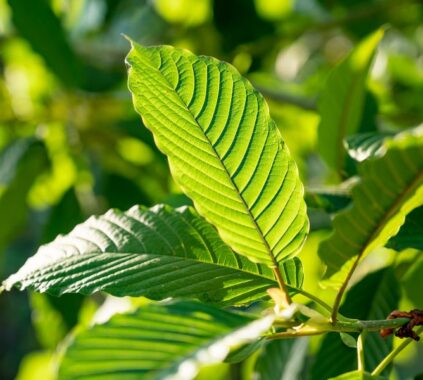

Kratom is a relatively new drug that is already popular among high school and college students for learning or coping with nervousness. Kratom is a tree that originated from Southeast Asia, and its leaves are used to prepare the drug. This one is made into a powder and can either be consumed in the form of a tablet or put into a tea.
In this blog, we’ll explain everything regarding kratom addiction, together with withdrawal symptoms and effective methods to stop kratom usage. The guide contains all the necessary information and methods for those who wish to cut down their use or end the use of kratom completely.
Is Kratom addictive?
Studies are still being carried out to get as much information as possible on kratom and the impact of kratom and its constituent chemicals on the human body, especially in the short and long term.
Like any other substance, the effects of kratom vary depending on some factors, which include the dose, strength, composition, route of administration, current health, and mental condition, as well as the history of substance use, among others. However, research indicates that it has a lower propensity for dependence than the common opioids in the first place.
How Addictive is Kratom?
While research continues on kratom and its use, effects, drug interactions, and therapeutic possibilities, some experts worry about kratom’s addictive potential because the main kratom compounds, mitragynine and 7-hydroxymitagynine, partially activate the same receptors in the brain that drugs with known addictive properties activate.
However, research also shows how kratom activates these receptors, reducing its probability of addiction as compared to opioids. The first literature reviews have suggested that some consumers may take kratom to manage opioid and craving symptoms.
What Are The Signs of Kratom Addiction
The signs and symptoms of kratom addiction include a variety of physical, psychological, and behavioral markers connected with the compulsive use of this psychoactive substance. The signs and symptoms of kratom addiction are listed below.
1. Small pupils:
Users who suffer from kratom dependence demonstrate small pupils, which are associated with the opioid effects of alkaloids contained in kratom. This is a symptom that appears while using kratom, which indicates the impact of the drug on the central nervous system.
2. Tremors:
People who use large or modest amounts of kratom suffer from tremors. According to a study by Afzal et al., published in the January 2020 issue of Cureus, tremors in the face and extremities develop with modest doses of kratom; tremors in general result from long-term use and during withdrawal.
3. Sweating:
Some of the symptoms include excessive sweating, which could be attributed to the chemical compounds present in kratom.
This symptom is more pronounced during the withdrawal phases, reflecting the body’s response to the absence of the substance and the challenges of adjusting to decreased kratom intake.
4. Sleep disturbances:
This drug alters the normal sleep-wake cycle, making it difficult to either fall asleep or to wake up during the night. Sleep disturbances exacerbate the negative effects of kratom addiction on an individual’s well-being by contributing to general physical and mental health difficulties.
5. Mood swings:
The interaction of kratom with the brain’s neurotransmitter systems leads to fluctuations in neurotransmitter levels, contributing to changes in mood.
6. Nausea and vomiting:
Excessive use of kratom results in stomach upsets such as nausea and vomiting. Such physical signs give a general sense of unease and are manifested during acute poisoning with kratom or withdrawal.
8. Heightened risk-taking:
Engaging in activities with potential negative consequences is indicative of the altered risk perception associated with kratom addiction.
9. Loss of interest in formerly valued activities:
Individuals affected by kratom addiction gradually lose interest in social and recreational activities they once enjoyed.
According to the National Institute on Drug Abuse (NIDA), these withdrawal symptoms may be mild to moderate.
What are the side effects of Kratom addiction?
The side effects of kratom addiction involve the negative and unwanted outcomes linked to the repeated and obsessive use of this stimulant. The most common side effects of kratom addiction are listed below.
1. Constipation:
One of the side effects of kratom addiction is constipation which is defined as having bowel movements less often or having difficulty in the process of passing stool. Kratom slows the movement of bowels hence causing constipation and all associated pains.
2. Dizziness:
This adverse reaction is frequently linked to the drug’s effects on blood circulation and pressure. The alkaloids in kratom alter blood flow and vasodilation, which causes periods of lightheadedness.
3. Loss of appetite:
Individuals addicted to kratom find themselves less inclined to eat regularly, worsening the nutritional impact of this side effect.
4. Hyperpigmentation:
Long-term use of kratom may lead to hyperpigmentation, particularly on areas that are affected by sun rays.
What are the risk factors for Kratom addiction?
Risk factors for kratom addiction describe a set of conditions, characteristics, or circumstances that increase the likelihood of individuals developing dependence on kratom. The risk factors for kratom addiction are listed below.
1. Genetic predisposition:
Personality plays a significant mediator in consequently leading the individual to addiction, and experts have observed that there are certain ages and metabolic genes that play a role in handling the response of kratom.
2. Previous substance use disorders:
Based on experience, kratom dependency is most probable in individuals with previous substance addiction. A history of substance use alters the neurobiology of an individual, making the person vulnerable to kratom dependence.
3. Co-occurring mental health conditions:
Mental health problems like anxiety or depression make it much more likely that someone will become addicted to kratom.
4. Social factors:
Lack of companionship and low social support systems are two of the social factors that lead to kratom addiction. Those who feel lonely or socially isolated are more likely to turn to substances such as kratom to help overcome that feeling.
5. Environmental influences:
Regular exposure to environments where kratom use is prevalent serves as a risk factor. Peer influence, cultural acceptance, or easy accessibility to kratom in certain settings contribute to its initiation and continuous use. Social norms that support kratom use are likely to normalize its use and encourage the development of addiction in those who are vulnerable to it.
Reasons for getting treatment
Kratom may become an addiction or create dependency. There are various reasons why you would want to get off kratom. Some of those might be:
1. Tolerance
In the same way that sometimes your body can build tolerance against some prescribed medicines when you take them for a long time, kratom can also build tolerance.
The tolerance built against kratom can diminish its effect in smaller doses. You might need to take high doses to get the same effect, which can put you in a cycle of increased consumption.
2. Dependency
The addictive tendency of Kratom is lower compared to other opioid members, but it belongs to the opioid class. Using kratom as a regular opioid leads to both physical and psychological dependence, just like all other opioids in the traditional group.
Those with dependency need to stop using kratom as an opioid does with other members of this family. Having dependency challenges represents one more motivation to stop using kratom.
3. Health
People who consume kratom continually face different health risks when they use high amounts of this substance. The use of kratom might lead to health problems that impact both organs, like the liver and kidneys as well as causing gastrointestinal distress and nausea.
The use of high-dose kratom, along with side effects, necessitates preventing kratom use or creating a kratom reduction plan.
How to treat Kratom addiction?
To ensure a safe and successful transition from kratom dependency to no or less kratom, you can consider following these steps:
1. Assessing Your Kratom Usage
The evaluation of your kratom consumption helps you determine your state of dependency. Make use of a journal or your mobile phone to track your kratom consumption throughout the day. Record time usage and dose quantities together with use reasons to develop an effective tapering strategy.
2. Setting Clear Goals
Your next step is to set specific objectives following the analysis of usage behaviors. Your next decision should focus on whether you will cut kratom use or completely stop using it.
Your transition goals should include quantifiable targets that show an “intake reduction of 10% per day” or working with kratom only for treating pain.
3. Professional Opinion
Consult a healthcare provider to confirm that the transition process will be safe if medical professional advice is available. A healthcare provider can assist you by monitoring your process or providing suggestions regardless of whether you manage any health problems.
4. Use Natural Supplements
The supplements containing magnesium with valerian root and melatonin can help control symptoms that emerge during withdrawal periods.
5. Practice Self-Care
Engage in activities that promote relaxation and well-being, such as meditation, yoga, or journaling.
6. Avoid Triggers
Identify and avoid situations or environments that may tempt you to use kratom.
7. Exercise Regularly
Physical activity can help reduce withdrawal symptoms and improve mood.
Tips for Managing Kratom Withdrawal Symptoms
Here are some additional tips to help you manage specific withdrawal symptoms:
- For Muscle Aches and Pains: You should comfort inflamed areas by using ibuprofen or placing heat pads on the affected parts.
- For Insomnia: Practice good sleep hygiene, such as maintaining a regular sleep schedule and avoiding screens before bed.
- For Anxiety and Depression: Learning mindfulness practices, which include deep breathing or meditating, will assist you in controlling anxiety and enhance your mood state.
- For Nausea: Eating small portions of food along with consistent fluid consumption should become your diet. Ginger treats pain in the form of tea or supplements.
Final Thoughts
Kratom may have a lower addiction risk than traditional opioids, but it is not risk-free. Regular or high-dose use can still lead to dependence, withdrawal symptoms, and negative effects on physical and mental health. Recognizing the signs of addiction and understanding personal risk factors are essential for making informed choices.
For individuals experiencing tolerance, dependency, or health concerns, reducing or stopping kratom use with a clear plan and professional guidance can make the process safer and more manageable. With proper support, self-care, and awareness, it is possible to overcome kratom dependence and protect overall well-being
More Resources
Kratom and ADHD: Can It Be Cured?
Guide To Kratom Consumer Protection Act?.