Elderberry has long captured the interest of natural wellness enthusiasts and herbalists worldwide. From small, dark purple berries to supplements in syrups and capsules, this plant has become a common addition to many lifestyles. But what exactly is elderberry, and why has it remained a staple in herbal traditions for centuries?
In this blog, we’ll explore what elderberry is, its uses and potential benefits, the history behind it, and the various supplement forms available today. By the end of this post, you’ll have a well-rounded understanding of elderberry and how it fits into modern natural wellness practices.
What Is Elderberry?
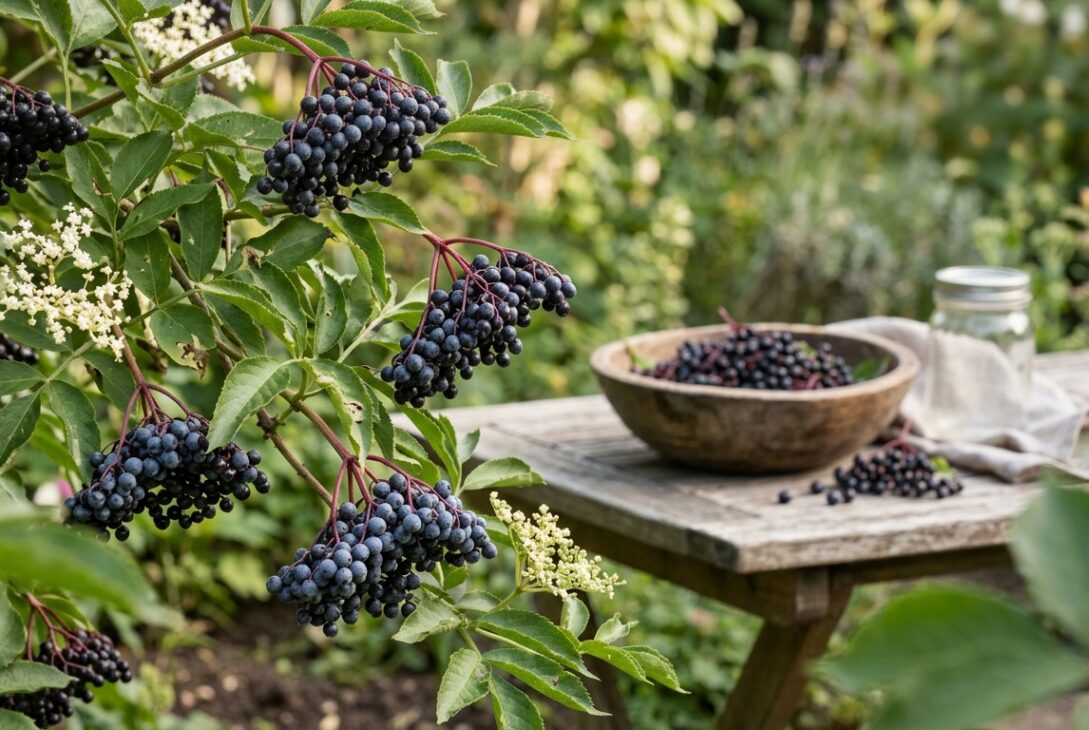
Elderberry is an abbreviated name of the small dark berries of the Sambucus tree, which is a genus of several species, the most widely used of which is Sambucus nigra. Elderberry is native to Europe and North America, and its culinary and cultural history is long.
In the spring, the elder tree bears flower clusters, and then, in late summer or early autumn, it bears berries. Although it is common to use the berries as syrups, jams, and supplements, the flowers also make their way to teas and infusions.
It is worth mentioning that raw elderberries have natural compounds that can be poisonous when consumed in high amounts. To be safe to consume, elderberries are typically cooked or made into extracts, syrups, or capsules.
History of Elderberry
Elderberry has a rich history spanning centuries. Known as the medicine chest of the common people in European folklore, elderberry has been used traditionally for culinary, ornamental, and herbal purposes.
- Ancient Europe: Elderberry was highly valued for its berries and flowers, which were used in pies, wines, and teas. The plant also held symbolic meaning in folklore, often associated with protection and wisdom.
- North America: Native tribes utilized elderberry for its natural compounds, incorporating it into food and herbal practices.
- Modern Use: Today, elderberry remains popular in natural wellness routines, appearing in syrups, gummies, teas, and capsules. Its enduring presence in herbal tradition underscores its versatility and cultural importance.
Benefits of Elderberry
While elderberry has been traditionally celebrated for its role in herbal routines, it’s important to present its benefits without making medical claims. The appeal of elderberry largely comes from its nutrient content and its use in natural wellness practices.
Some commonly discussed advantages include:
- Nutrient-Rich Profile: Elderberries are rich in vitamins, antioxidants, and natural compounds found in both berries and flowers. These compounds are often highlighted in supplements for their potential to support overall wellness routines.
- Culinary Versatility: Elderberries can be made into syrups, jams, and teas, offering an easy way to incorporate them into meals. Elderberry syrup, in particular, has become a household staple in modern kitchens.
- Ease of Supplementation: Elderberry supplements provide a convenient method for those who may not want to cook or prepare the berries themselves. Capsules, gummies, and tinctures offer versatility in daily routines.
- Tradition and Culture: Using elderberry maintains a connection with centuries of herbal practice. Many people enjoy incorporating elderberry into their routines as a way to honor traditional knowledge and practices.
Forms of Elderberry Supplements
Modern wellness has expanded elderberry into various forms, making it easier for people to include it in their daily routines.
1. Elderberry Syrups
One of the most widespread types of supplementation is elderberry syrup. It is convenient, simple to quantify, and may be ingested either directly or into drinks.
2. Elderberry Gummies
Gummies provide an easy-to-eat and easy-to-carry alternative to those who do not like the natural bitterness of elderberries. They are frequently standardized in order to be used consistently.
3. Elderberry Capsules
Capsules offer the exact amount of serving, and they are convenient when one is on the move. They can be stored easily and included in the daily supplement intake.
4. Elderberry Teas and Tinctures
The use of teas enables a warm, tasty consumption means, whereas the tinctures contain concentrated liquid extracts which may be added to drinks or taken in the raw form.
Each supplement form offers flexibility, catering to different lifestyles and preferences.
How to Use Elderberry
Elderberry is versatile and can be incorporated in multiple ways:
- Culinary Use: Add cooked elderberries to pies, jams, or sauces.
- Beverages: Use elderberry syrup in teas, juices, or sparkling water.
- Supplements: Follow the serving size on capsules, gummies, or tincture bottles for a convenient daily addition.
- Cooking: Elderberries can also be included in sauces, dressings, and desserts, providing natural color and flavor.
When using any form of elderberry, it is important to avoid raw berries due to potential natural toxins.
Elderberry Side Effects and Precautions
While elderberry is widely used, it is essential to understand potential side effects or considerations:
- Raw Berries: Do not consume raw elderberries or unripe berries, as they may contain cyanogenic glycosides, which can produce cyanide.
- Allergic Reactions: Rarely, individuals may experience mild reactions such as digestive discomfort or sensitivity to compounds in elderberry.
- Supplement Quality: Always choose products from reputable brands to ensure purity and avoid contaminants.
For most healthy adults, cooked or processed elderberry products are considered safe when used as directed.
Choosing Quality Elderberry Supplements
When selecting elderberry products, it’s important to consider quality, transparency, and processing methods:
- Standardization: Look for supplements standardized for consistent elderberry extract content.
- Lab Testing: Third-party testing ensures the absence of contaminants and verifies product composition.
- Form of Delivery: Choose a form that suits your lifestyle — syrup, capsules, gummies, or tinctures.
- Brand Reputation: Established brands with clear sourcing and manufacturing practices are preferable.
High-quality supplements offer convenience without compromising the integrity of the plant’s natural properties.
Elderberry in Modern Diets
Beyond supplements, elderberry continues to influence culinary trends:
- Teas: Dried flowers and berries are infused to create flavorful herbal teas.
- Smoothies: Elderberry syrup can be blended into fruit and vegetable smoothies for natural color and taste.
- Cooking: Sauces, dressings, and jams highlight elderberry’s versatility in the kitchen.
Integrating elderberry into meals and beverages allows people to enjoy its flavor while participating in traditional and modern practices.
Elderberry and Cultural Significance
Elderberry has long been woven into folklore and cultural traditions:
- European Folklore: Known as a protective plant, elderberry was believed to shield homes from negative energy and spirits.
- Indigenous Practices: North American tribes incorporated elderberry in food and herbal practices for generations.
- Modern Herbalism: Contemporary wellness culture values elderberry for its history, versatility, and natural compounds.
Understanding elderberry’s cultural roots adds context to its role in modern natural wellness routines.
Conclusion
Elderberry is still one of the most diverse and ancient wellness plants. Since elderberry has a rich history and cultural significance, and due to the number of different forms it can be consumed in today, this plant has several options in how it can be implemented in modern living.
Taken as a syrup, tea, capsule, or gummy, elderberry offers a convenient approach to people who want to take a closer look at the natural options at the plant level. Although the raw berry fruits are to be shunned, the processed and correctly prepared elderberry preparations can be a safe and effective part of everyday schedules.
Being aware of what elderberry is, what it can be used for, and what forms exist, people will be able to make a good decision regarding the ways they can incorporate this old plant into their wellness programs.
More Resources
Kratom and ADHD: Can It Be Cured?
Guide To Kratom Consumer Protection Act?