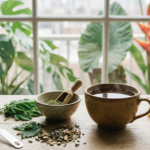
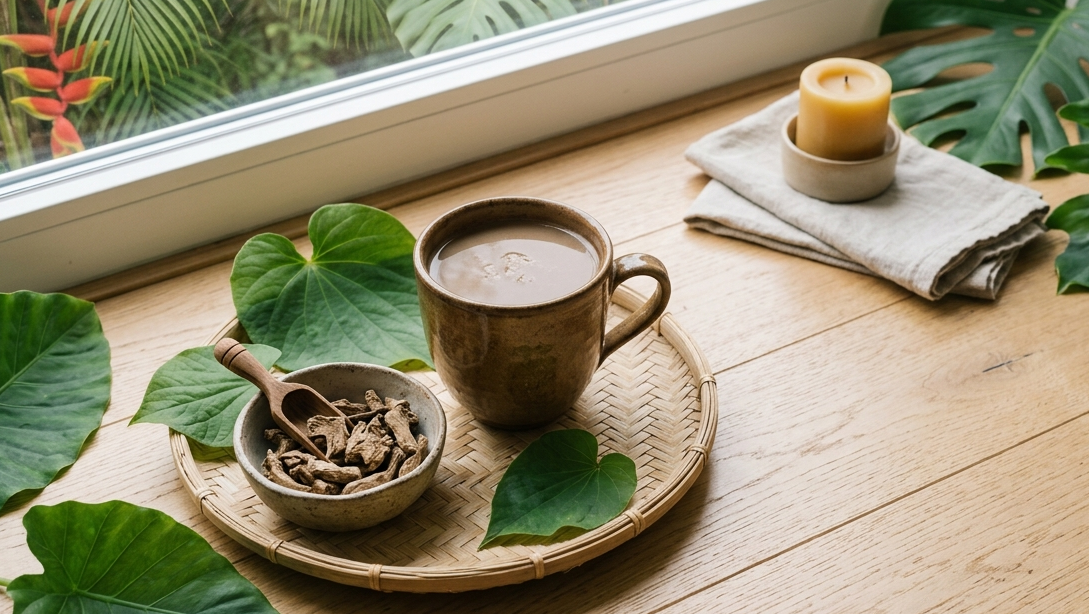
Kava kava, often just called kava, has been a staple in traditional medicine and cultural ceremonies for centuries. Traditionally, it’s prepared by mixing it with water or brewing it into a tea, but these days, you can also find it conveniently available in tablet form.
Research indicates that kava kava might help ease mild anxiety, but it comes with a serious risk of liver damage. While it’s still legal to buy and sell kava in the United States, the FDA advises approaching it with caution to prioritize your health and safety.
This blog unpacks what kava kava is, examines studies related to its role in stress relief, and considers how it interacts with anxiety.
What Is Kava Kava?
Kava kava is a plant that grows in the South Pacific islands like Fiji, Tonga, and Samoa, whose scientific name is Piper methysticum. The word kava is translated to mean bitter, as the root tastes bitter, which is traditionally crushed and made into a drink.
Kava is a traditional component of ceremonies and social gatherings in Pacific Island culture, and it has been used since ancient times. It is highly valued because of its special compounds known as the kavalactones, which are natural chemicals and believed to be responsible for some of the calming effects of this herb. The kavalactones are dependent on the strain of kava, age of the kava plant, and environmental conditions, which affect the extent and standard of effects.
What is Kava? Origins and Background
Kava, scientifically known as Piper methysticum, is a plant native to the Pacific Islands, including Fiji, Vanuatu, Hawaii, and Polynesia. For centuries, indigenous cultures have used kava in social and ceremonial contexts, preparing it as a traditional beverage that promotes relaxation and social bonding.
Cultural Significance
In Pacific Island cultures, kava holds deep cultural importance. Traditional preparation involves grinding or chewing the root and mixing it with water to create a ceremonial drink consumed during social gatherings, rituals, and important community events.
Active Compounds
Kava contains kavalactones, the primary active compounds responsible for its therapeutic effects. These compounds interact with the brain’s neurotransmitter systems, particularly GABA receptors, which play a crucial role in promoting relaxation and reducing anxiety.
Effects of Kava
Studies suggest kavalactones may have the following effects on the body:
- Reducing anxiety
- Protecting neurons from damage
- Reducing pain sensations
- Reducing the risk of cancer, though the evidence is limited to mice research
Most of the research so far has zeroed in on Kava’s ability to help ease anxiety.
Forms of kava
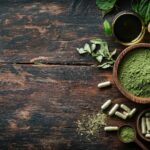
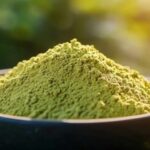
Kava can be taken in tea, capsule, powder, or liquid form.
Except for kava tea, these products are made from a concentrated mixture that’s prepared by extracting kavalactones from the plant’s root with ethanol or acetone.
1. Kava tea
Many people prefer enjoying kava as a tea to help with anxiety, thanks to how easily accessible and convenient it is. It’s sold alone or alongside other herbs touted to promote relaxation and brewed using hot water.
Make sure to choose kava teas that list the kavalactone content and any other ingredients, so you know exactly what you’re getting in every cup! Avoid teas that list the ingredients as “proprietary blends.” You will not know how much kava you’re getting with these products.
2. Kava tincture or liquid
This kava comes in a liquid form, conveniently packaged in small bottles that range from 2 to 6 ounces (59 to 177 milliliters). You can take it with a dropper or mix it into juice or another drink to cover its whiskey-like taste.
When using kava tincture or liquid, it’s crucial to start with a small dose. Since the kavalactones are highly concentrated, these forms of kava are much stronger than others.
3. Kava capsules
If you’re not a fan of kava’s taste, no worries! You can easily take it in capsule form instead.
When choosing kava tea, make sure to check for products that mention the kavalactone content. For example, one capsule may contain 100 milligrams (mg) of kava root extract that is standardized to contain 30% kavalactones.
Benefits of Kava
1. Anxiety Reduction
- Kava has gained significant attention for its potential to alleviate anxiety. Research suggests that kavalactones can help:
- Reduce symptoms of generalized anxiety disorder
- Promote a sense of calm without causing significant sedation
- Provide an alternative to pharmaceutical anti-anxiety medications
2. Stress Management
- The natural compounds in kava may help:
- Lower cortisol levels
- Improve stress response
- Enhance overall emotional well-being
3. Sleep Support
- Kava may assist individuals struggling with sleep issues by:
- Promoting relaxation
- Reducing the time taken to fall asleep
- Improving overall sleep quality
4. Muscle Relaxation
- Some users report that kava helps:
- Reduce muscle tension
- Alleviate mild muscle pain
- Promote physical relaxation
Can Kava Kava Help with Stress Relief?
Exploring the link between kava kava and stress relief, several clinical studies have assessed the effects of standardized kava extracts on stress and anxiety-related symptoms.
One of the 2013 studies was carried out in Australia, in which an aqueous extract of kava was tested on participants with a generalized anxiety disorder (GAD) and moderate stress. In a six-week double-blind study, subjects who took the kava extract had a significant improvement in anxiety symptoms as compared to a control group.
The results showed that 26 percent of the kava group were deemed remitted at the trial, whereas only 6 percent in the placebo group. Side effects were, in general, mild, with few headaches reported, but no negative alterations in the liver functioning and other physical parameters.
Another study tested the kava extract WS 1490 for its impact on sleep quality among people affected by anxiety and tension. This four-week trial highlighted improvements in sleep quality, recuperation after sleep, and reductions in anxiety-level scores for those taking the kava preparation versus placebo. Participants did not report significant adverse effects, underscoring the extract’s tolerability.
While the precise mechanisms of kava’s actions remain under study, several scientific theories propose that kavalactones may influence neurotransmitter regulation, such as GABA receptor modulation and sodium ion channel blockade, potentially calming neurons involved in stress and anxiety routes.
Kava for Anxiety: Traditional Use Meets Modern Study
The anxiolytic (anxiety-reducing) reputation of kava Kava aligns with its long history in traditional medicine. In modern contexts, kava root powder or standardized extracts provide options for individuals seeking botanical support for anxiety-related symptoms. Research emphasizes the importance of using standardized extracts with known kavalactone content to ensure consistent dosing and safety.
Traditionally brewed kava beverages and modern supplements may offer varying levels of active compounds, making product selection a crucial factor in achieving desired effects.
Kava Kava Dosage
Experts suggest keeping your daily kavalactone intake below 250 mg to ensure safe and effective use. An effective dose of kavalactones is 70 to 250 mg.
Kava supplements often show the amount of kavalactones either in milligrams or as a percentage on the label. If the content is listed as a percentage, you will need to calculate the amount of kavalactones it contains.
Here’s an example to make it clearer: If a capsule has 100 mg of kava root extract and is standardized to have 30% kavalactones, you’d get 30 mg of kavalactones in that capsule (100 mg x 0.30 = 30 mg).
To get an effective dose of kavalactones, which falls between 70 to 250 mg, you’ll need to take at least three capsules of this supplement. Most extracts of kava root contain 30% to 70% kavalactones.
Potential Side Effects of Kava Kava
- Liver Toxicity: Several cases of liver damage associated with kava consumption were reported in the early 2000s.
- Drug Interaction: Kava may harm the liver by interacting with drugs processed by the same liver enzymes, potentially causing harmful drug buildup.
- Adulteration Risks: Some kava products may be mixed with harmful materials during processing.
- Use of Unsafe Plant Parts: Some companies use kava leaves or stems instead of roots, which are known to harm the liver.
Kava may be safe for individuals without liver issues or conflicting medications when used in appropriate doses for 1–2 months.
Final Thoughts
Kava kava is a longstanding tradition that has been connected with cultural traditions, and scientific research evidence shows that kava kava could be associated with reducing stress. Studies indicate that the compound kava contains specific substances that interact with the nervous system to produce an effect that may help alleviate stress and minimize stress symptoms.
Though further research is required to gain a deeper insight into its mechanisms and safety in the long term, existing data leans toward kava as an effective natural botanical choice for those who are trying to adopt a holistic approach to stress management. Like usual, consumers are advised to purchase high-quality kava products from reputable sources and to use them sanely to achieve a balanced and safe experience.
More Resources
Kratom and ADHD: Can It Be Cured?
Guide To Kratom Consumer Protection Act?