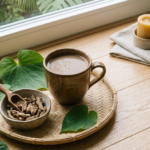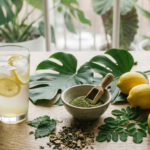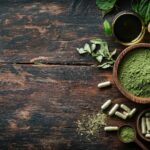
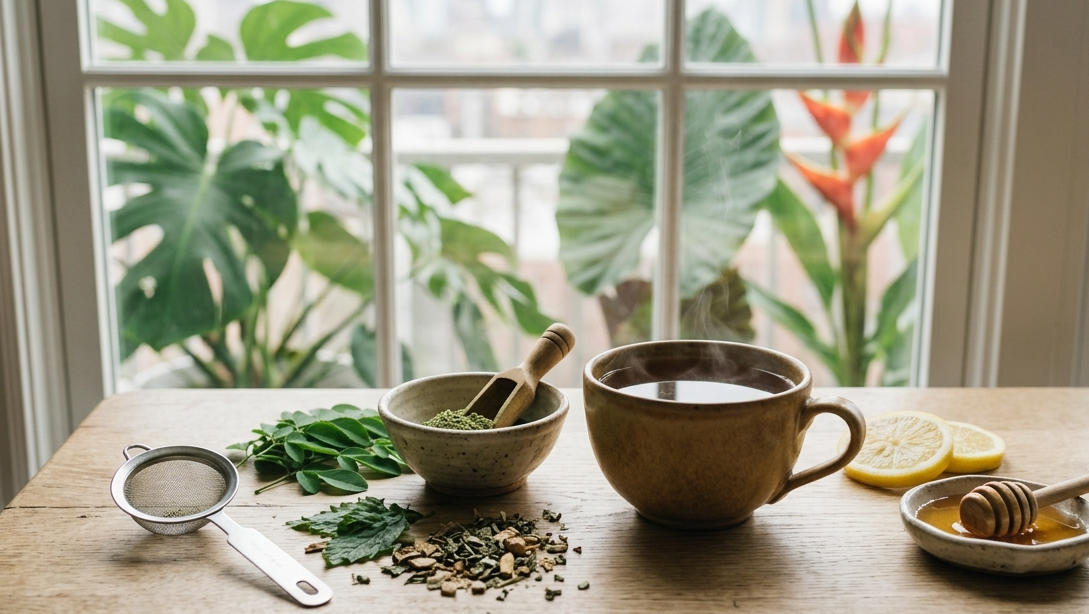
Another common and traditional method of taking kratom leaves is through kratom tea, which is highly regarded because of its relaxing preparation and ability to customize the flavor. You have just joined kratom, or just want to see the variety of consumption forms, kratom tea is going to be an unprecedented experience that will be easy, ritual, and effective at the same time.
In this blog, we’ll know how to prepare kratom tea, the taste of the tea, and how to enhance the taste to get a nice brew.
What is kratom tea?
Brewing leaves traditionally make kratom tea from the kratom tree (Mitragyna speciosa). It’s native to parts of Southeast Asia, including Indonesia, Malaysia, and Thailand. Kratom also goes by other names, including Maeng Da.
Field laborers consumed kratom leaves to boost their energy levels, increase heat tolerance, and help with fatigue.
The leaves were used as an herbal treatment for numerous ailments, including cough, diarrhea, diabetes, and hypertension. They were also used as a replacement for opium, which is an extreme painkiller, or for opium withdrawal.
Kratom leaves are generally chewed, crushed, and brewed into tea or smoked. But today, the kratom leaves are being ground and placed in pills and powders.
Why People Drink Kratom Tea?
There are numerous reasons people drink kratom tea. In Southeast Asia, kratom has been traditionally used in fresh or dried kratom tree leaves to promote energy and work productivity in tea. Kratom has also been used historically to treat morphine dependence and as an opium substitute.
Kratom has gained popularity in Western societies. People cite the following reasons for its use:
- For pain relief
- To manage symptoms of anxiety and depression
- To stop or reduce the use of opioids or other substances
- To manage withdrawal symptoms and cravings associated with opioids or other drugs
Kratom has gained popularity due to its unique blend of opioid and stimulant-like effects, which many find appealing. One reason for its appeal is that it can be easily consumed in a soothing tea form. Stimulant-like effects include increased energy and alertness, while opioid-like effects include pain relief and relaxation.
Kratom is incredibly versatile when it comes to how you can take it. You can opt for capsules, mix the powder into your favorite foods or drinks, or even go the traditional route by chewing on fresh kratom leaves straight from the tree.
People may choose to drink kratom tea as opposed to using other forms, as it may feel more natural and less like taking a substance.
Why Choose Kratom Tea?
People choose kratom tea because of its various attractive features. People enjoy kratom tea because it provides a flexible method to absorb this botanical substance.
The tea provides you with ample opportunity to personalize it through different flavor options, sweeteners, and additional ingredients according to your taste.
The process of brewing kratom into tea acts to minimize its bitter aftertaste, which enhances its taste for people who use the product.
Its character as kratom tea enables effortless digestion. People tend to find that kratom tea provides a better stomach reaction than kratom powder consumption. Drinking tea also leads to a soothing ritual that requires preparation and consumption.
Why Tea is One of Our Favorite Ways to Enjoy Kratom
Brewing tea is one of the best ways to take kratom, offering a blend of traditional and modern wellness benefits.
- Convenience: You can easily prepare and drink kratom tea since its preparation process is both simple and convenient, which enables routine incorporation.
- Gentle Onset: When consumed as tea, Kratom produces its effects over tim,e gradually providing users with a more comfortable experience than alternative kratom-based products.
- Taste and Aroma: Kratom tea that includes various loose-leaf herbs serves to reduce the bitter taste of kratom powder for an improved consumption experience. The addition of honey or lemon to kratom tea produces a comforting drinking experience.
- Customizable Serving: People who drink kratom tea gain complete control of the serving strength because it enables users to determine their perfect level of consumption.
How to Make Kratom Tea
Making kratom tea involves carefully extracting compounds from kratom powder or leaves by simmering them in water. Here’s a straightforward process:
- Gather Ingredients and Equipment: Use 2–3 grams of kratom powder (adjust based on preference), water (1 to 2 cups), and optional sweeteners or flavorings. A pot or saucepan, a strainer, and cups are needed.
- Boil Water: Bring water to a gentle boil.
- Simmer Kratom: Add kratom powder to water and reduce the heat to a low simmer. Let it simmer for about 10 to 15 minutes, stirring occasionally.
- Strain the Leaves/Powder: Remove from heat and strain through a fine mesh or cheesecloth to separate the liquid from the powder.
- Add Flavor: At this stage, you can add sweeteners such as honey, sugar, lemon, or ginger to improve taste.
- Serve: Pour into cups and enjoy warm.
Alternative methods include steeping kratom like traditional tea or combining kratom with other teas in blends.
What Does Kratom Tea Taste Like?
Kratom tea has a distinctly earthy, bitter, and somewhat grassy flavor profile. Many describe it as strong and pungent upon first sip, with lingering bitterness due to natural alkaloids in the kratom leaves.
The taste can vary slightly depending on the kratom strain, harvest time, and preparation method. For example, green strains tend to have a sharper aroma while red varieties often yield a smoother taste.
Many new kratom tea drinkers find the bitterness challenging at first, but appreciate the ritual and natural quality it offers.
How to Make Kratom Tea Taste Better?
To mask the taste of Kratom tea, add any of the following to your Kratom tea to mask the flavor, jazz it up a bit, or create your own Kratom beverages.
- Splash of citrus juice for flavor (lemon, lime, orange, or grapefruit)
- Citrus wedges for flavor and garnish
- Sprig of mint or other herbs you enjoy
- Spices like ginger, cinnamon, nutmeg, or turmeric
- Herbal teas or chamomile to blend with (except Kava tea, which should be enjoyed separately or alternating with your Kratom dosing schedule)
- Sweetener (honey, agave, sugar)
Potential Benefits of Kratom Tea
While scientific research on kratom is still ongoing, many users report experiencing a range of benefits from drinking kratom tea. Here are some of the most commonly cited potential benefits:
- Relaxation and Stress Relief
- Pain Relief
- Energy and Focus
- Mood Enhancement
- Improved Sleep
Kratom tea risks and side effects
The risks and side effects associated with kratom tea are as follows:
- nausea and vomiting
- constipation
- dizziness
- drowsiness
- confusion
- tremors
- seizures
- high blood pressure
- slow breathing
Kratom may also be toxic in higher doses. The following serious adverse effects are possible, although these may be more likely when people combine kratom with other prescription or recreational drugs:
- liver failure
- hepatitis
- kidney injury
- damage to the heart muscle
- lung injury
- respiratory distress syndrome
- cognitive impairment
- brain injury
- seizure
- coma
Final Thoughts
Kratom tea is a customizable, functional, and traditional brew that is growing on numerous users. With proper preparation and exploration of the ideas of adding flavor, you will be able to have a balanced kratom tea in accordance with your preference. Mature use and a good source of kratom powder are still the secrets to a good and safe tea experience.
More Resources
Kratom and ADHD: Can It Be Cured?
Guide To Kratom Consumer Protection Act?