Among the creative ways kratom enthusiasts prepare their botanical, one of the most talked about combinations is kratom and lemon juice. It is not only about taste, as most people think that citrus makes the process much better by enriching the texture, balancing bitterness, and making the preparation process more convenient.
With the increasing popularity of kratom, various modes of preparation are being tried out by users all over the world, trying to find out what they will taste best. It can be taking kratom and combining it with citrus fruits such as lemon or lime, or it can be adding it to smoothies and teas, but the idea here is always a similar one: to make the experience both pleasant and easier.
In this detailed guide, we’ll explore what happens when you mix kratom and lemon juice, how lime juice plays a similar role, and why acidity can affect the botanical’s consistency and usability. You’ll also find practical preparation tips, variations, and important considerations before trying it yourself — all while keeping things safe, responsible, and well-informed.
What Is Kratom? A Quick Overview
Before diving into the mix, let’s take a moment to understand what kratom actually is. Kratom (Mitragyna speciosa) is a tropical evergreen tree native to Southeast Asia, primarily found in Indonesia, Malaysia, and Thailand. Its leaves have been used traditionally for centuries, often brewed into tea or chewed in their raw form.
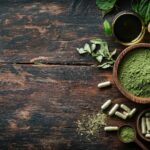
In modern times, kratom is available in various forms such as powders, capsules, extracts, and resins. It’s typically classified by vein color and origin, with strains like:
- Red vein kratom: Often associated with calm or balance.
- Green vein kratom: Generally considered balanced between energy and relaxation.
- White vein kratom: linked with focus or alertness.
Each type offers a slightly different composition of natural plant alkaloids, leading to varying experiences.
Why Use Potentiators?
For decades, people have been using potentiators with different substances to enhance their experience; this is not strictly done with kratom.
The word “potentiate” means to increase the power, potency, and duration of a particular substance. Using potentiators with kratom can help you save money, mask the taste and smell, and make the dose more effective.
Opioid potentiators include cold medicine, antihistamines, and alcohol. Opioid painkillers such as fentanyl and oxycodone can be heavily affected by consuming grapefruit juice.
Some say eating a mango before you smoke marijuana will make you feel more intoxicated. Kratom and lemon juice is another trendy potentiator combo.
Mixing Kratom and Lemon Juice: What’s the Idea Behind It?
When people talk about mixing kratom and lemon juice, the idea goes beyond flavor. Lemon juice is acidic, containing citric acid and ascorbic acid, which can affect how kratom powder behaves when mixed with liquid.
Here’s what typically happens:
- The acidic environment of lemon juice helps preserve the plant’s alkaloids when making teas or brews.
- It can enhance the flavor, reducing kratom’s natural bitterness and making it easier to consume.
- Many find the consistency smoother and the aroma more refreshing.
In essence, lemon juice acts as a natural companion to kratom powder. It’s easy to prepare, affordable, and widely available — making it an appealing addition for both beginners and experienced users.
However, it’s important to note that while lemon juice can alter kratom’s taste and solubility, it doesn’t inherently change its nature. Responsible use and proper preparation are still key factors for an optimal experience.
How to Mix Kratom and Lemon Juice
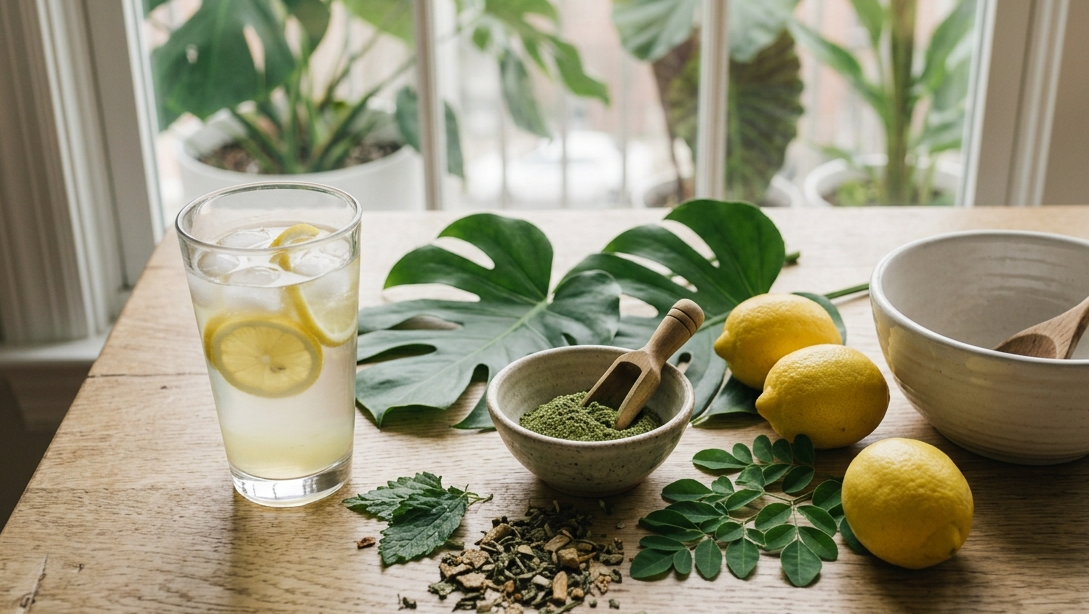
Creating a lemon-infused kratom drink is straightforward and doesn’t require fancy equipment. Here’s a simple way to do it:
Ingredients:
- 1–2 teaspoons of kratom powder (adjust to your usual serving size)
- Juice of one fresh lemon (about 2 tablespoons)
- 8–10 ounces of water
- Optional: honey, ginger, or mint for taste
Instructions:
- Add the kratom powder to a cup or small jar.
- Squeeze the lemon juice directly into the powder. Mix well until it forms a paste.
- Let it sit for 10–15 minutes — this gives the acidity time to interact with the kratom.
- Add warm water (not boiling) to the mixture. Stir thoroughly.
- Strain the mixture through a fine mesh or cheesecloth if you prefer a smoother drink.
- Add optional sweeteners or herbs to enhance flavor.
Enjoy it chilled or over ice. The lemon helps mask bitterness and creates a tangy, refreshing beverage.
Why People Mix Kratom and Lemon Juice
There are several reasons enthusiasts prefer mixing kratom with lemon juice instead of plain water or tea.
- Flavor Improvement: Kratom naturally has a strong, earthy taste that many find unpleasant. Lemon juice’s tartness cuts through this bitterness, making it far more palatable.
- Texture and Consistency: The citric acid can break down the powder slightly, leading to a smoother texture when mixed with liquids.
- Shelf Life Extension: Some believe lemon juice helps preserve kratom tea for a longer period when stored in the fridge, keeping it fresh.
- Cultural Familiarity: In Southeast Asian regions, pairing herbs with citrus is a long-standing tradition, making this mix feel both natural and rooted in cultural use.
- Versatility: Lemon pairs well with other ingredients like ginger, honey, or mint, allowing users to create endless variations of kratom-infused drinks.
Kratom and Lime: A Zesty Alternative
If you don’t have lemons on hand, lime can be an excellent substitute. Like lemons, limes are rich in citric acid and offer similar flavor-enhancing qualities.
Many people even prefer kratom and lime over lemon juice because lime provides a slightly more aromatic zest, complementing kratom’s earthy tones beautifully.
Here’s How to Mix Kratom and Lime:
- Use fresh lime juice (one lime per serving).
- Mix it with your desired amount of kratom powder.
- Let it sit for a few minutes before adding water or other ingredients.
You can also experiment with lime zest or mix both lemon and lime juice for a more complex flavor. The result? A refreshing beverage that combines tartness with botanical richness.
Potentiating Kratom with Lime: What Does It Mean?
The term “potentiating” refers to enhancing or amplifying the effects of a substance. In the context of potentiating kratom with lime, some users believe the acidity of lime juice might affect how kratom’s natural compounds interact during brewing or digestion.
While there’s anecdotal discussion around this idea, there’s no conclusive scientific evidence proving that lime or lemon juice significantly changes kratom’s potency.
However, acidity may preserve alkaloids during the preparation process, which could help maintain the plant’s natural properties when heated or stored.
What’s more certain is that lime juice makes kratom drinks more enjoyable, both in taste and appearance — a compelling reason for many users to add citrus to their mix.
Does Citrus Affect Kratom’s Alkaloids?
Citrus fruits like lemon and lime are high in citric and ascorbic acids, which can influence how kratom powder dissolves and interacts with water.
Here’s what’s generally understood:
- Acidic environments may help preserve the plant’s alkaloids during brewing.
- Neutral or basic liquids, like plain water, might not preserve these compounds as efficiently.
- Heat sensitivity means that boiling water could reduce kratom’s properties, so lemon or lime-infused cold brews are often preferred.
This is why many kratom users choose to brew cold kratom tea with lemon juice, ensuring that both the flavor and consistency are well maintained without unnecessary degradation.
Taste and Texture: How Lemon and Lime Transform Kratom
Kratom alone has a bitter, earthy, and sometimes astringent flavor that can be off-putting for beginners. The addition of lemon or lime significantly transforms that experience.
- Lemon gives the drink a bright, tangy note.
- Lime adds a slightly sweet, tropical finish.
- Both mask bitterness and improve the overall drinking experience.
In terms of texture, citrus liquids break down kratom’s fine powder, making it easier to mix into water without forming clumps. This makes it ideal for preparing smooth kratom teas, juices, or cold brews.
Other Ingredients That Pair Well with Kratom and Lemon Juice
If you’re looking to enhance your kratom beverage even more, consider adding:
- Honey or agave syrup for sweetness.
- Ginger for a warming, spicy flavor.
- Mint leaves for freshness.
- Coconut water for a tropical twist.
- Cinnamon for depth and aroma.
Each of these ingredients can complement the kratom and lemon juice mix, helping you create a drink that’s both enjoyable and easy to consume.
Other Methods of Ingesting Kratom
Beyond lemon and lime, there are several other ways people consume kratom:
- Kratom Tea: The traditional method of brewing kratom leaves or powder in hot (not boiling) water.
- Kratom Smoothies: Blending kratom powder with fruits and yogurt to mask bitterness.
- Toss and Wash: A quick method where users swallow the powder with water or juice.
- Kratom Capsules: Pre-measured servings in convenient capsule form.
- Kratom Edibles: Such as kratom chocolates or gummies, often made with flavored ingredients to improve taste.
Mixing kratom with lemon juice or other beverages simply offers another creative and flavorful approach within this range of methods.
Important Tips for Mixing Kratom and Lemon Juice
To make your kratom and lemon experience both safe and pleasant, keep these pointers in mind:
- Always start with low servings, especially if it’s your first time trying citrus-mixed kratom.
- Use freshly squeezed lemon or lime juice for the best flavor.
- Avoid boiling the mixture — warm water is sufficient.
- Store leftovers in an airtight container in the fridge for up to 48 hours.
- If you’re sensitive to acidic foods, consider diluting with more water.
Following these steps helps ensure that your beverage is smooth, refreshing, and enjoyable.
Final Thoughts
Mixing kratom and lemon juice has become a favorite method for many users seeking to improve flavor, texture, and freshness in their kratom routine. The natural acidity of lemon or lime doesn’t just make the drink more enjoyable — it may also help preserve the plant’s natural properties during preparation.
Whether you choose lemon for its bright zest or lime for its tropical aroma, the key lies in mindful mixing and moderate servings. This combination offers a refreshing, flavorful, and practical way to include kratom in your daily routine without the bitterness that often accompanies plain powder.
So, the next time you reach for your kratom, grab a lemon or lime — and enjoy a tangy twist on this ancient botanical.
More Resources
Kratom Tea: Benefits, And How To Make It
Kratom Gummies vs Powder: What To Choose