
As interest in kratom continues to grow around the world, so does curiosity about how this botanical product interacts with different bodily systems. One of the most commonly asked questions is whether there’s a connection between kratom and blood pressure, and whether kratom is safe for people who are mindful of their cardiovascular health.
In this blog, we’ll explore what is known about kratom’s relationship with heart health, how kratom may affect blood pressure, important considerations for sourcing and using kratom, and practical guidance for those thinking about incorporating it into their routines.
Understanding Kratom and Its Popularity
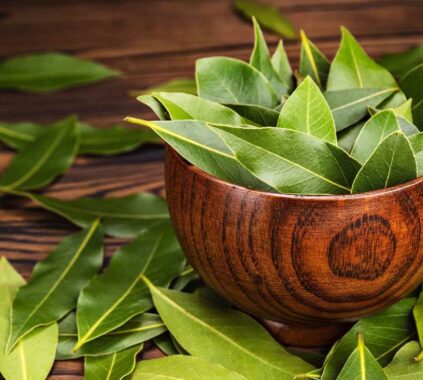
Kratom comes from the leaves of Mitragyna speciosa, a tree native to Southeast Asia. Traditionally, people in countries such as Thailand and Indonesia harvested and chewed the leaves as part of cultural practices. In recent decades, kratom has become widely available in powdered form, capsules, tablets, and extracts all over the world.
Kratom’s popularity stems from its versatility and wide range of strains, from red, green, and white vein varieties to blends and extracts. These variations offer users choice and flexibility, and kratom users often tailor their use to fit personal routines, daily schedules, and preferences.
But with that popularity comes questions about kratom’s safety profile, particularly when it comes to cardiovascular considerations such as blood pressure and heart health.
What Does Blood Pressure Mean?
Blood pressure is a measure of how forcefully blood is being pushed through the circulatory system with each heartbeat. Although everyone’s numbers vary slightly, maintaining healthy blood pressure levels is an important part of overall cardiovascular stability.
Whether blood pressure is normal, slightly elevated, or on the lower end, individuals and healthcare professionals often pay close attention to factors that may influence those readings over time.
When exploring kratom and blood pressure, it’s worth keeping in mind that a wide variety of elements, including hydration, daily stress, physical activity, and even sleep patterns, can influence blood pressure. Consequently, separating the effect of a single botanical product from these other factors can be challenging.
Kratom’s Relationship With Heart Health
When people talk about heart health in connection with botanical products like kratom, they are usually referring to how a product fits into broader lifestyle patterns rather than specific physiological mechanisms. For instance, some users report that kratom fits naturally into their daily routines, while others adjust timing and serving size based on their own observations.
Most of the discussion around kratom and cardiovascular markers, including blood pressure, comes from user experiences, anecdotal reports, and indirect research rather than definitive clinical conclusions. Because each individual’s health profile is unique, it’s not possible to make blanket statements about how any botanical product will affect heart function or cardiovascular stability.
How People Describe Kratom and Blood Pressure?
Across online communities, kratom forums, and user discussions, a few recurring themes appear when people talk about kratom and blood pressure. These are not medical claims, but rather patterns that surface in shared experiences.
1. Timing Matters
Many individuals note that when they use kratom, such as early in the day versus closer to evening, it influences how their routine feels overall. Some people pay attention to how their morning cup, midday session, or evening serving fits with their regular habits.
2. Serving Size and Consistency
Because kratom is available in different forms with varying potencies, individuals often emphasize moderate and consistent serving sizes when building a routine. Many experienced users prefer to start with a small amount, monitor how they feel, and adjust gradually over time.
3. Personal Sensitivity Varies
Some users describe feeling more aware of their energy levels or physical sensations after using certain kratom strains, while others experience no noticeable change. Because everyone’s body responds differently, these varied accounts make it clear that individual sensitivity matters more than universal patterns.
When discussing kratom and blood pressure, it’s important to contextualize these personal accounts within broader lifestyle factors. A single experience, whether positive, neutral, or otherwise, does not define how any product will perform for everyone.
Is Kratom Safe for Blood Pressure?
The short answer is that kratom’s safety in relation to blood pressure is not definitively settled by scientific consensus. Current understanding is based on:
- User experiences
- Indirect research
- Observational patterns
- General botanical use principles
Kratom is not approved by regulatory agencies as a cardiovascular supplement or treatment, and there is no formal guidance positioning it as a solution for blood pressure regulation. Instead, what many kratom users focus on is how the product fits into their daily routines and whether they notice consistent patterns over time.
A responsible perspective includes:
- Acknowledging that individual responses vary
- Recognizing that lifestyle factors heavily influence cardiovascular markers
- Seeking professional guidance before making changes related to heart health
What Users Report About Kratom and Blood Pressure
Although clinical data remains limited, community discussions provide a window into how people describe their experiences. Some common themes include:
Awareness of Physical Responses
Several people report that they pay attention to sensations such as body temperature, alertness, or physical tension after using kratom. These perceptions are subjective and depend on strain, serving size, and timing.
No Noticeable Change
Many individuals report no discernible difference in how they feel when monitoring basic physiological markers like energy or physical output after using kratom.
Context Matters
Because individual daily patterns, including hydration, diet, stress, and activity level, strongly influence cardiovascular readings, isolating the impact of any single factor is nearly impossible when relying solely on personal observation.
What Common Kratom Strains Users Mention
While strains themselves are not medically linked to blood pressure readings, some users discuss their preferences in routines, often describing red, green, or white vein varieties in terms of energy, focus, or personal rhythm.
For instance:
- Red vein strains are sometimes described as grounding or mellowing in user discussions
- Green vein strains are often referred to as balanced or neutral
- White vein strains are occasionally noted for more vibrant or stimulating qualities
Lifestyle Factors That Influence Blood Pressure
Before assuming any direct link between a product and blood pressure, it’s important to recognize the many lifestyle factors that influence cardiovascular markers daily. These include:
- Physical activity levels
- Hydration habits
- Dietary choices
- Stress or sleep patterns
- Daily routine and time of day
Because these elements fluctuate naturally, they often have a greater measurable impact on blood pressure than isolated botanical products. Understanding this context helps individuals interpret their own observations more accurately.
How to Use Kratom Responsibly
Whether or not you are monitoring blood pressure, responsible kratom use involves a combination of moderation, consistency, and awareness.
1. Start With Small Servings
If you’re new to kratom or trying a new strain, begin with a conservative serving size. This allows you to notice how your body responds without overloading your system.
2. Keep a Simple Routine Log
Tracking serving time, strain type, and general impressions can help you identify patterns over weeks and months. While this isn’t a substitute for medical monitoring, it helps you build personal awareness.
3. Stay Hydrated
Hydration supports overall wellness and influences many aspects of physical experience. Regular water intake contributes to consistent daily routines.
4. Avoid Mixing Unknown Substances
Combining kratom with alcohol or other substances can create unpredictable effects. When monitoring any physiological marker, minimizing variables makes interpretation easier.
When to Seek Professional Guidance
If monitoring blood pressure or other cardiovascular markers is a priority, consulting a qualified healthcare professional is recommended. Particularly if you’re managing existing medical conditions or using other products, personalized guidance helps ensure clarity.
A professional can help interpret readings over time and provide insight into lifestyle adjustments that support your overall goals.
A botanical product like kratom can be part of someone’s routine, but it should not replace medical evaluation or advice when it comes to cardiovascular health.
Separating Anecdote From Assumption
Much of the conversation around kratom and blood pressure is rooted in user experience rather than clinical data. It’s important to separate individual anecdote from assumption:
- A single personal observation does not equate to universal impact
- Variability is normal across large populations
- Many unrelated factors influence physical markers
Approaching kratom use with curiosity rather than expectation helps you make better choices without exaggerating or oversimplifying potential effects.
How Environment and Routine Impact Observations
Environmental factors like temperature, stress level, and time of day influence cardiovascular readings and daily sensations. When evaluating how a product fits into your routine, consider:
- Are readings taken at the same time each day?
- Has your physical activity changed?
- How is your hydration or nutrition on measurement days?
Tips for Monitoring Your Own Patterns
Here are a few practical approaches if you choose to observe your own responses:
- Record the time of day you take kratom
- Note your resting blood pressure readings at consistent intervals
- Track sleep quality and hydration
- Observe routine stressors or unusual activity
This personal data helps you see correlations without jumping to causal conclusions. Remember, consistency is the key to meaningful observation.
Understanding the Role of Moderation
Moderation is central to responsible kratom use. Seasonal or occasional use tends to produce different experiences than daily habitual use. Many experienced consumers emphasize that routine moderation helps minimize unexpected patterns.
Whether you’re using kratom as part of your daily rhythm or exploring it experimentally, moderation supports a sustainable approach.
Evaluating Your Own Experience Without Overinterpretation
Because individual responses vary widely, it’s important to assess your own experience without overinterpreting any single factor. For example, noticing a slightly higher blood pressure reading after a few days of stress does not necessarily indicate a product effect.
Final Thoughts
While there is no universal pattern or clinical consensus that kratom directly raises or lowers blood pressure, many individuals note personal perceptions of how kratom fits into their daily life. Heart health is influenced by many lifestyle factors, and isolating a single variable, such as botanical use, is inherently challenging.
The most balanced conclusion is that kratom should be used responsibly, with awareness of your own body and routine. Start with small servings, keep track of how your body responds over time, avoid mixing substances, and consult a healthcare professional if you have concerns about blood pressure or cardiovascular health.
Kratom’s product benefit is flexibility; it comes in multiple forms and strains, offering individuals choice and personalization. However, personalization doesn’t equate to uniform outcomes, so personal monitoring and moderation remain the cornerstones of responsible use.
More Resources:
- Guide To Super Green Malay Kratom
- Mastering Kratom Toss and Wash
- Mixing Mushroom and Kratom: Is it risky?